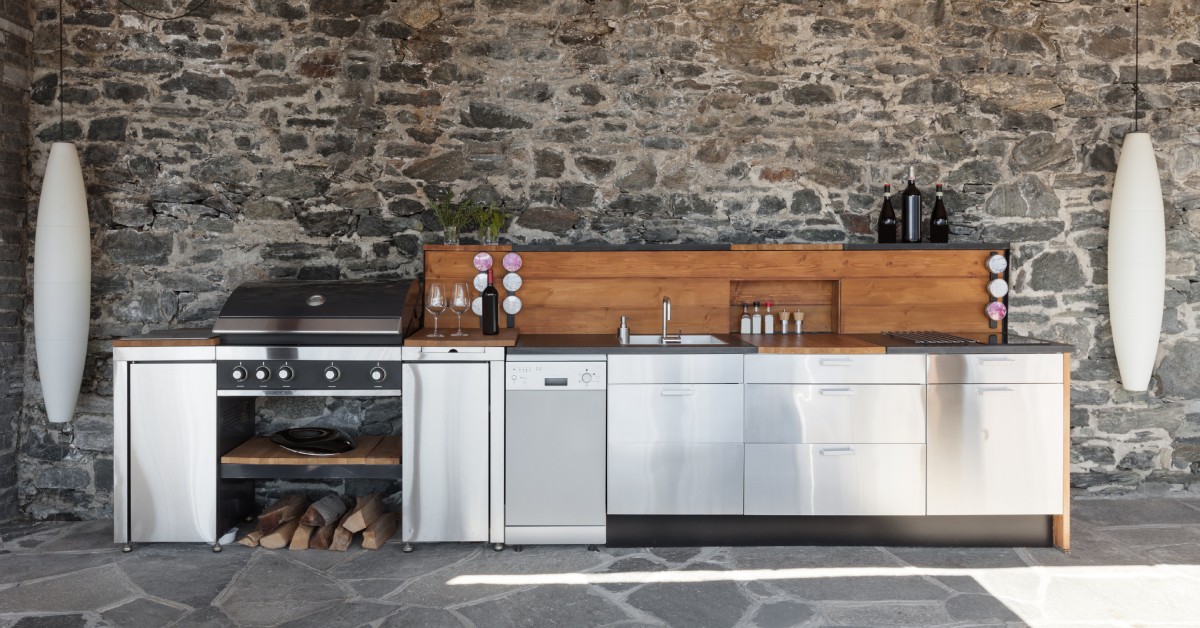
There is something special about cooking outside. The smell of the grill, the fresh air, and the company of friends and family make for unforgettable evenings. But take a look at the ground beneath your feet. Is your current patio cracked, stained, or simply uninspiring? Your outdoor kitchen’s foundation matters just as much as the grill you use.
We see homeowners visit our stone yard every day looking for a solution that handles grease spills, heavy foot traffic, and changing weather patterns. Poured concrete often cracks over time, and wood decks can warp or stain easily near cooking areas. Stone pavers offer a solution that brings beauty and resilience to your backyard. It’s time to transform your outdoor kitchen with durable stone pavers and we’re discussing how.
Choose Natural Stone for Longevity
When you invest in an outdoor kitchen, you want materials that outlast the trends. Natural stone pavers provide a hardness that manufactured products struggle to match. We often recommend stones like granite, bluestone, or travertine because they formed under intense pressure for thousands of years. This natural density makes them incredibly resistant to chipping or cracking, even when you drop a heavy spatula or a cast-iron skillet.
Unlike concrete, which fades, natural stone maintains its color. The sun might weather it slightly, but this usually enhances the character rather than ruining the look. When you select a high-quality stone, you build a floor that handles the rigors of an active kitchen environment without losing its structural integrity.
Design for Proper Drainage and Runoff
Water accumulation can ruin a patio foundation. In an outdoor kitchen, you must manage rainwater and the water you use for cleaning. Paver systems naturally allow for better drainage than solid slabs.
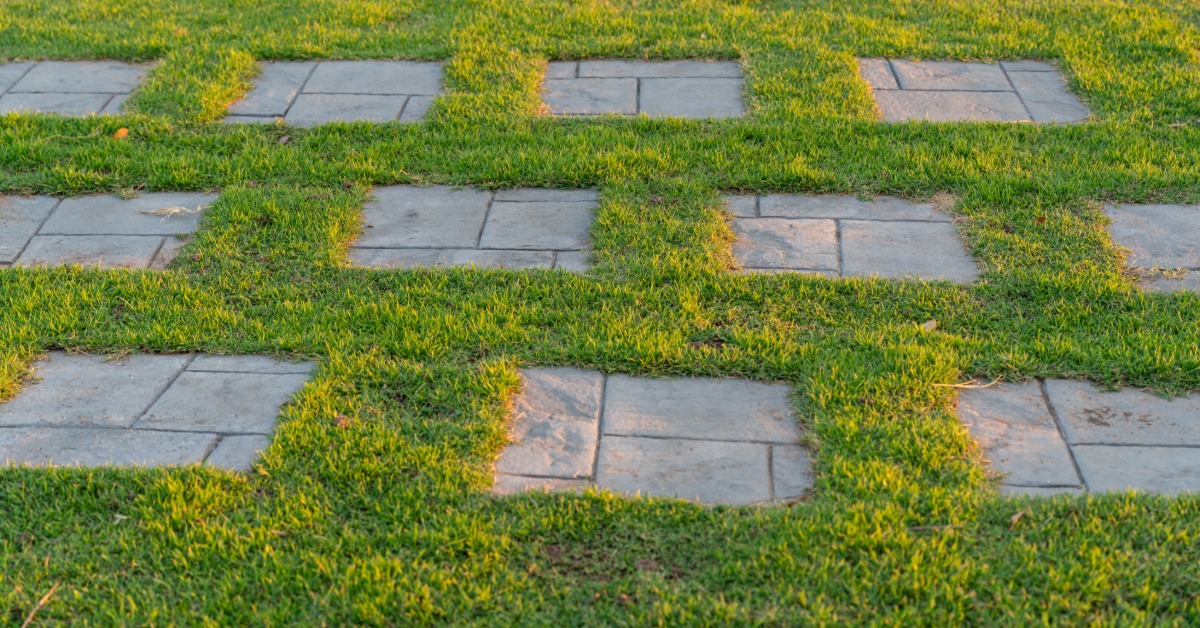
The joints between the stones allow water to permeate the ground below if you use a permeable installation method. Even with a standard sand-set installation, we can grade the pavers slightly to direct runoff away from your home and the cooking station. Proper grading prevents puddles from forming around your feet while you cook. It keeps your outdoor kitchen usable almost immediately after a storm passes.
Create Distinct Zones With Patterns
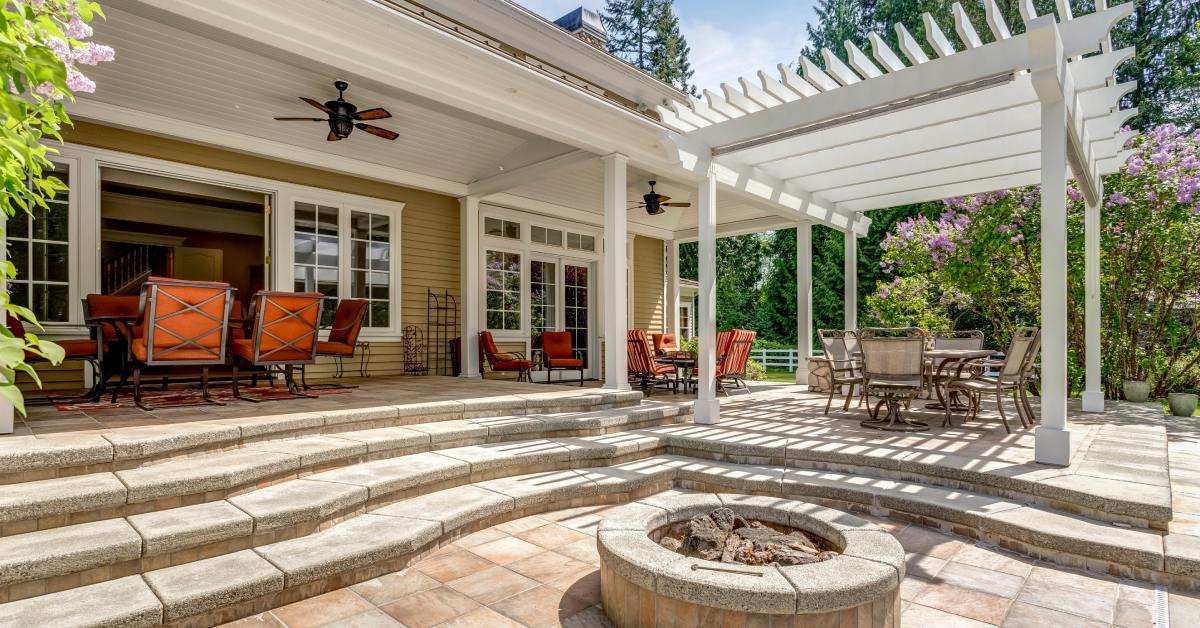
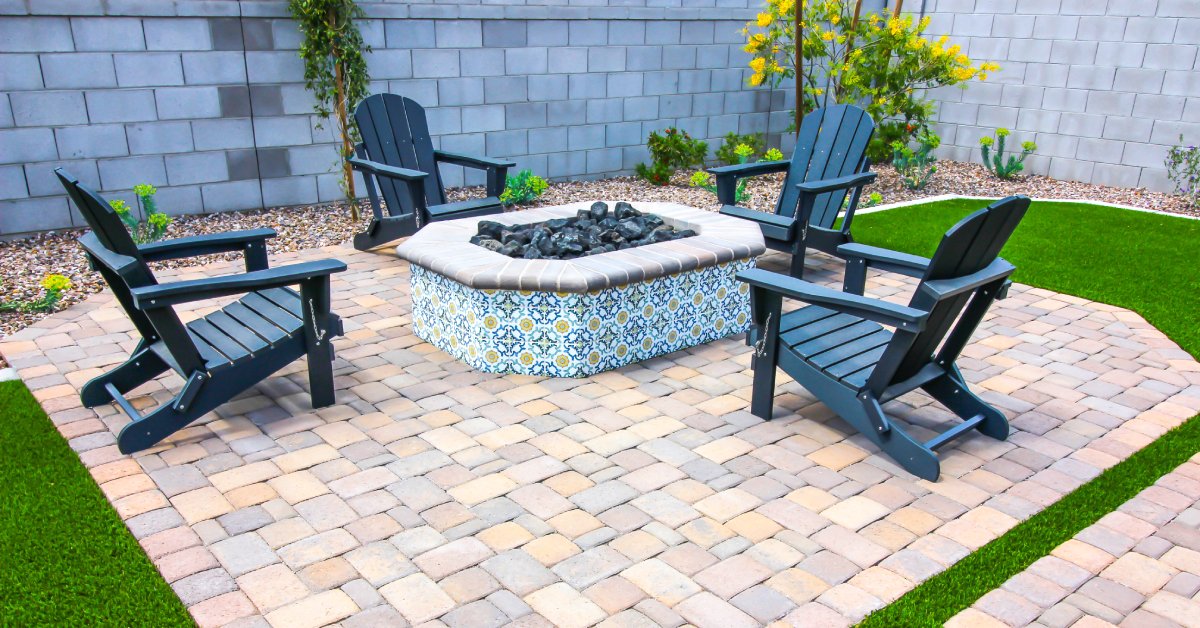
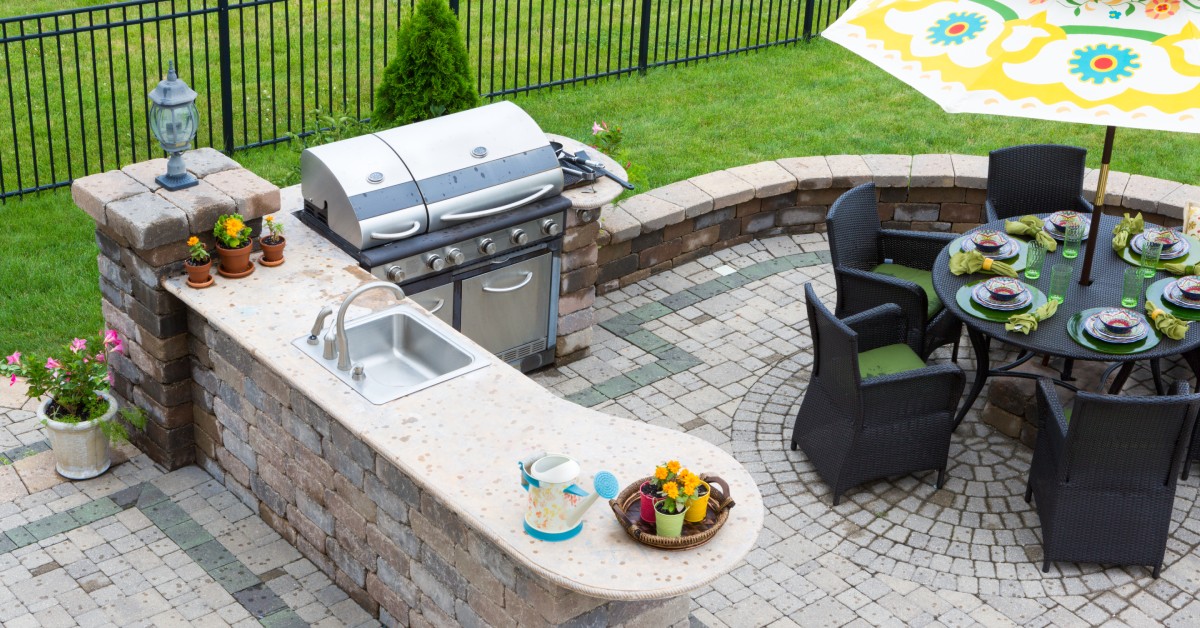
You can use pavers to define the rooms—or spaces—in your backyard. We love seeing designs that use a change in laying pattern or stone color to separate the dining area from the cooking zone.
You might use a running bond pattern for the main walkway and switch to a herringbone pattern directly under the kitchen pergola. This visual cue tells guests where the chef works and where they should sit. It adds a sophisticated, custom look without the need for physical barriers. We can help you sketch out a layout that makes your space feel larger and more organized.
Complement Existing Landscape Features
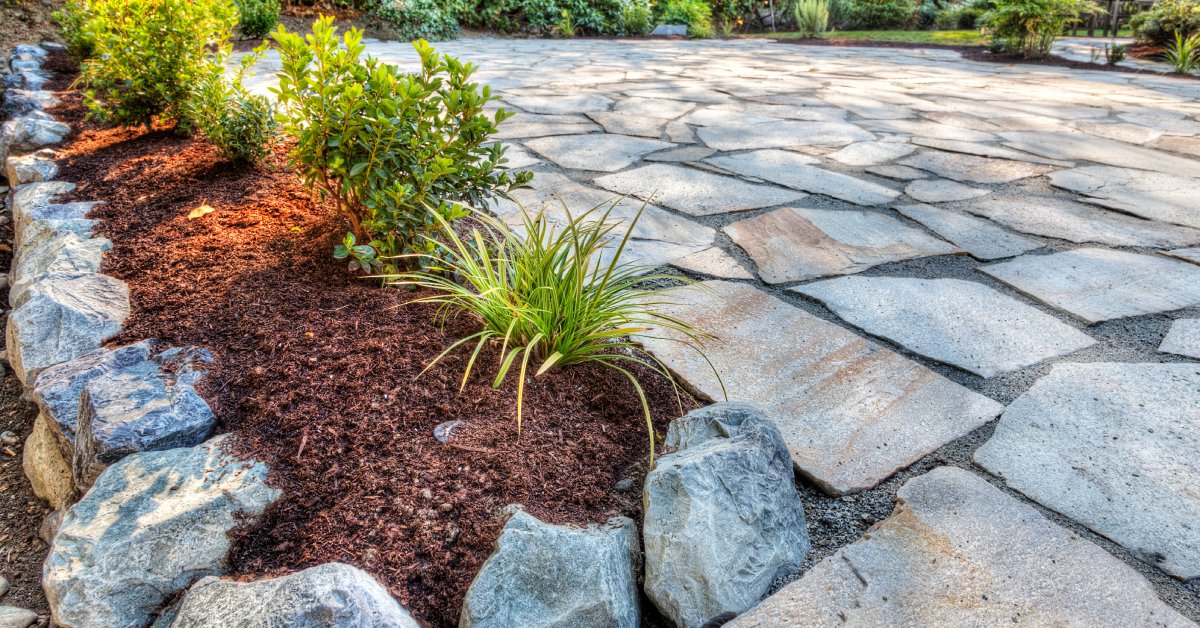
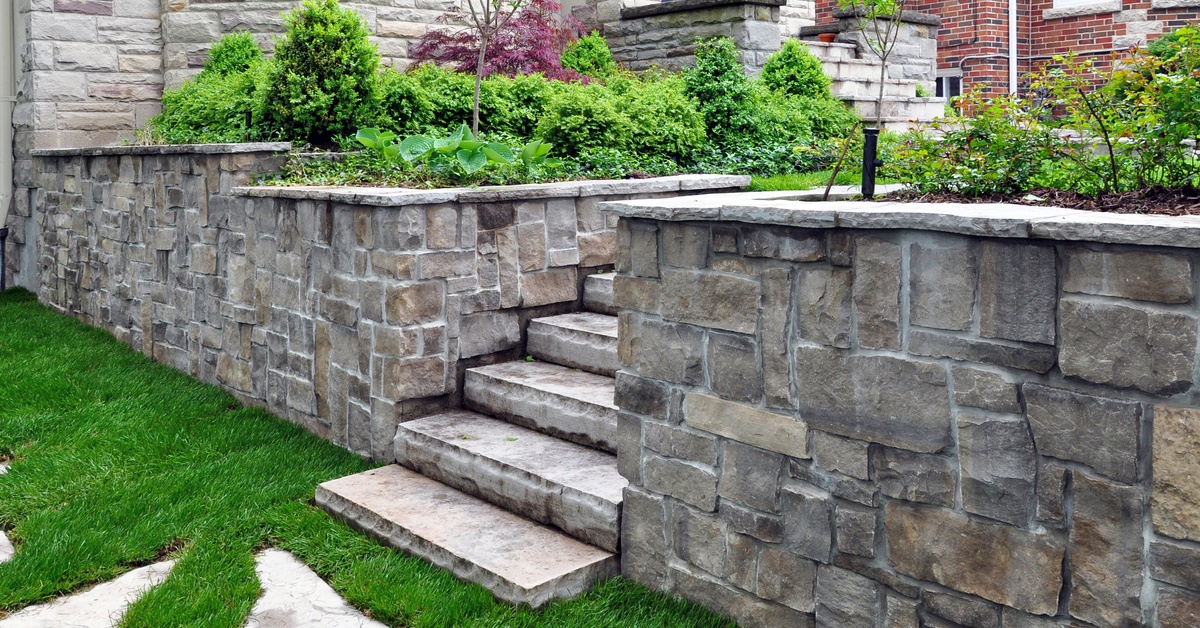
Your new floor should not look like an afterthought. It needs to blend with what you already have. Look at the colors in your home’s siding, your retaining walls, and your garden beds.
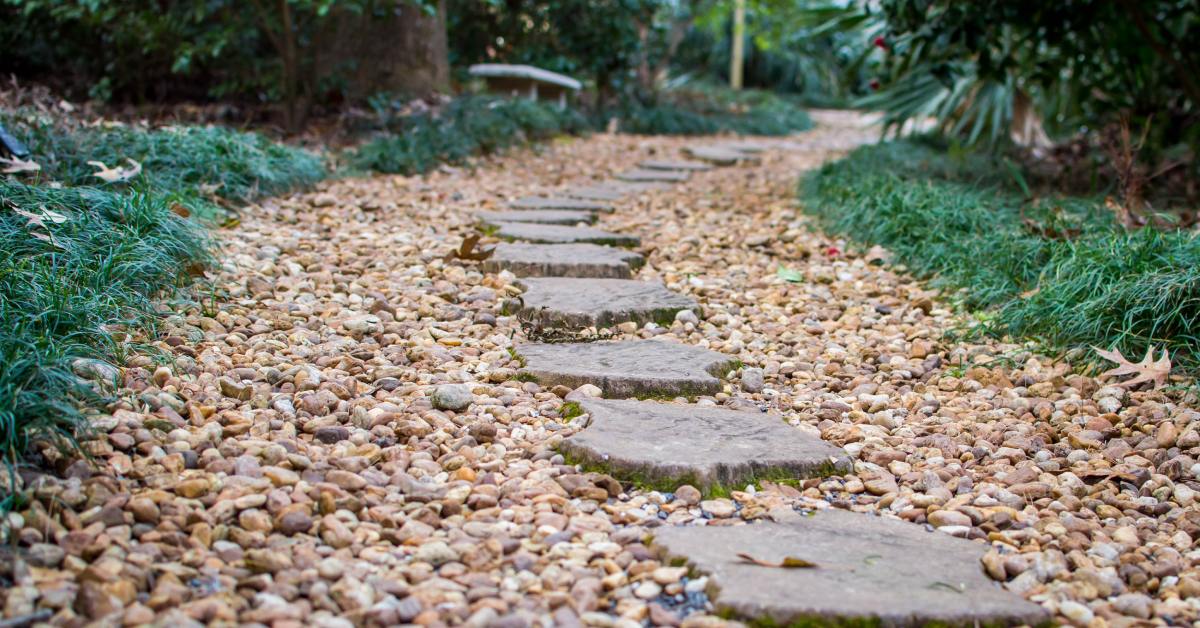
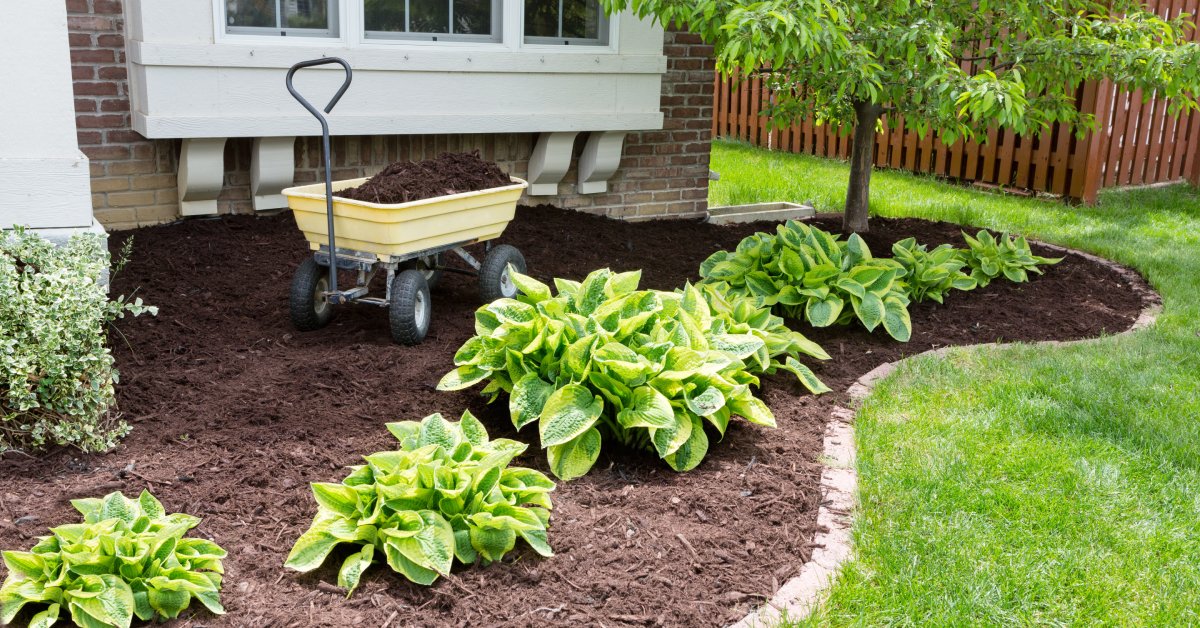
If you have a rustic garden with decorative landscape bricks lining your flower beds, you might choose a tumbled cobblestone paver to match that old-world charm. If your home is modern, sleek slate or geometric-cut limestone fits perfectly. We encourage you to bring photos of your current yard when you visit us. We can pull samples that harmonize with your existing hardscaping so that the transition feels seamless.
Seal the Stone for Stain Protection
We know that accidents happen. A dropped burger or a tipped glass of red wine shouldn’t result in a permanent stain. Stone is porous, which means it can absorb liquids if left unprotected. Sealing your pavers is a necessary step for a kitchen area.
A good penetrating sealer fills the pores of the stone without changing its appearance. It buys you time to wipe up spills before they soak in. We recommend resealing your outdoor kitchen floor every few years. It’s a simple weekend task that keeps the stone looking vibrant and makes cleanup much easier after a big party.
Incorporate Vertical Elements With Pavers
Pavers are not just for the floor. We often see creative homeowners use the same stone to wrap the base of their grill island or create a matching backsplash. Using the same material vertically ties the whole room together.
You can stack thicker pavers to create low seating walls or borders around the kitchen perimeter. This creates a cohesive design language throughout the space. It makes the kitchen feel built-in and permanent, rather than just equipment sitting on a patio.
Maximize Long-Term Property Value
Upgrading your outdoor living space creates a high return on investment. Future buyers love seeing a durable, well-designed outdoor kitchen. They see a space ready for entertaining, not a project they need to fix.
Natural stone signals quality, appeal, and aesthetic. It tells people that you built this space to last. While the upfront cost is higher than concrete, the lack of repair costs over time balances the equation. You are building equity in your home with every square foot of stone you lay.
Understanding the Installation Process
Installing a stone paver patio is hard work, but the results are always worth it. Whether you hire a pro or tackle it yourself, the process follows a specific rhythm:
- Excavation: Digging out the old soil.
- Base Prep: Adding and compacting the gravel.
- Bedding Sand: Screeding a smooth layer of sand.
- Laying Stone: Placing each paver by hand.
- Cutting: Trimming edges to fit the design.
- Compacting: Locking the stones into the bedding.
- Jointing: Filling the gaps with sand.
If you plan to do this yourself, come talk to us at Victory Greens Stone & Garden Center. We can calculate exactly how much base material and sand you need so that you don’t have to make multiple trips.

Add Lighting for Evening Ambience
Don’t forget that you will cook at night. We love integrating lighting directly into the paver design. You can install flush-mounted lights in the border pavers to illuminate the perimeter.
This increases safety and adds a warm glow to the stone texture. Lighting highlights the natural color variations in the pavers that you might miss during the day. It turns your durable floor into a design feature.
Visit the Garden Center To See Variations
Pictures online only tell half the story. You need to see the stone in sunlight and shadow. You need to touch the surface to understand its texture.
Our team here at Victory Greens Stone will walk you through the rows of pallets. We can pull out a few pieces and lay them on the ground so that you can envision them in your own backyard. We want you to feel confident in your choice before a single stone reaches your driveway. Together, we’ll transform your outdoor kitchen with beautiful, durable stone pavers.