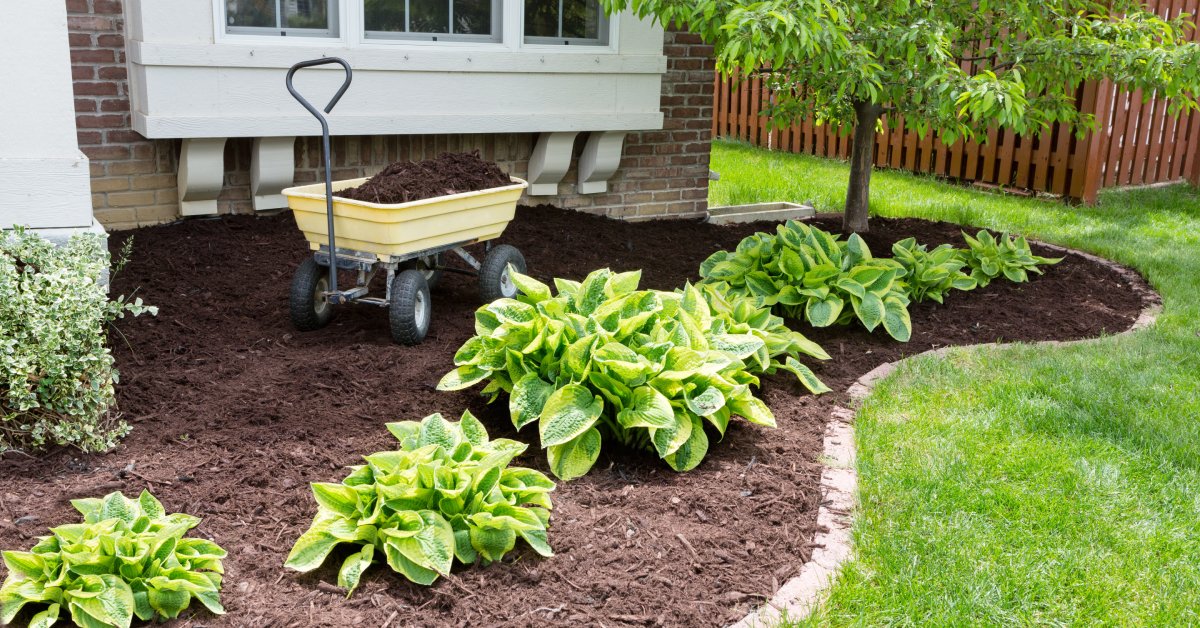
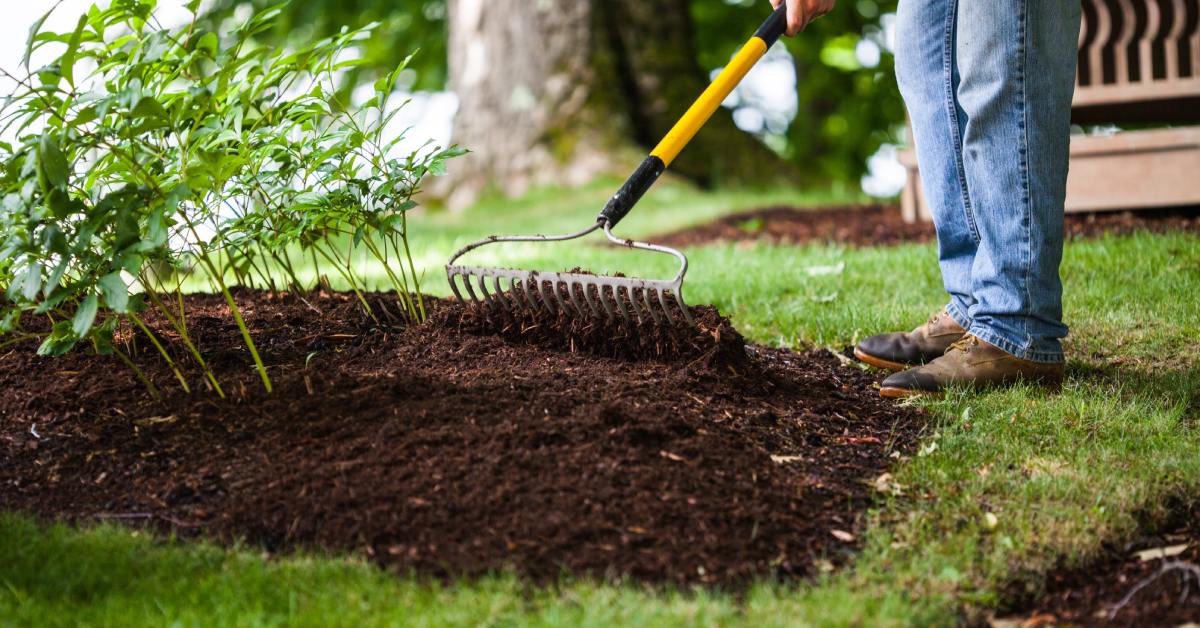
Every spring, homeowners across the Treasure Valley engage in the same tired ritual. You head to the store, load up bags of wood chips or bark, and spend your entire Saturday spreading fresh mulch over your flower beds. It looks fantastic for about a month. Then, the high desert sun bleaches the color, the wind scatters the lighter chips across your lawn, and decomposition slowly turns your investment into dirt.
By next year, you have to do it all over again. It’s important you choose landscape rocks that last longer than mulch so that your garden refresh is less laborious and more enjoyable.
Analyze Your Local Climate Conditions
The environment dictates which materials survive and which fail. In the greater Boise area, we experience distinct freeze-thaw cycles in winter and intense, dry heat in summer. Wood mulch often traps excessive moisture against plant stems during wet springs, which invites rot.
Conversely, in July, lightweight bark blows away during our windy afternoons. You need a ground cover that stays put. Heavy rock aggregates resist wind displacement. When selecting your stone, prioritize weight and density. Lighter volcanic rocks might migrate in heavy storms, while river rock and crushed granite remain stationary regardless of the weather.
Determine the Primary Function of the Area
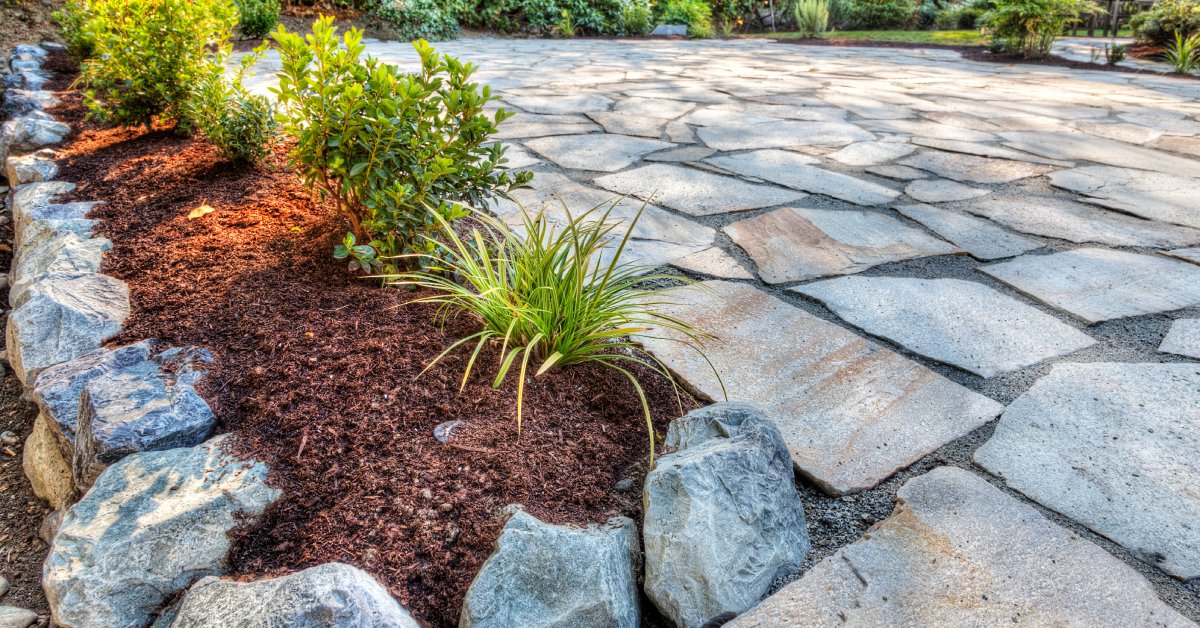
Before you buy, define the job the rock needs to do. Is this a pathway, a flower bed, or a border around a patio? Functional requirements change your material choice. If you expect foot traffic, you need fractured rock (stone with jagged edges) because the pieces lock together to create a stable surface.
Round river rock rolls underfoot and creates an unstable walking surface that feels like walking on marbles. However, if the area is strictly decorative around shrubs, round rocks allow water to trickle down efficiently and look polished. Match the rock texture to the human activity in that zone.
Evaluate Heat Retention and Plant Health
One significant difference between organic mulch and stone is thermal mass. Rocks absorb heat during the day and radiate it back at night. In our hot summers, dark basalt or black lava rock can raise the soil temperature significantly. This benefits heat-loving plants like succulents, lavender, or ornamental grasses, but it stresses delicate hydrangeas or ferns.
Select lighter colors if you plan to place rock around heat-sensitive vegetation. White, beige, or light grey stones reflect sunlight rather than absorbing it, keeping the root systems cooler during triple-digit heat waves.
Verify the Durability of the Stone Type
Not all rocks share the same geological lifespan. Some softer sedimentary stones can break down over many years of heavy weather exposure, cracking or turning to dust under constant foot traffic. For maximum longevity, look for igneous rocks like granite or basalt. These materials resisted extreme volcanic pressure during their formation, so they easily withstand a garden hose or a snow shovel.
When you browse options for Boise landscape stones, look for local basalt varieties. They naturally resist weathering because they originated in this environment.
Select the Correct Size for Weed Suppression
One main reason people use mulch involves weed control. Rock works differently. You need the right depth and aggregate size to block sunlight effectively and prevent weeds from reaching the soil.
- 3/8 Inch Minus: Packs down tight but can allow weeds to root on top.
- 3/4 Inch to 1.5 Inch: The sweet spot for landscape beds; creates good coverage.
- 2 Inch to 4 Inch: Bold visual impact but leaves large gaps for sunlight to penetrate.
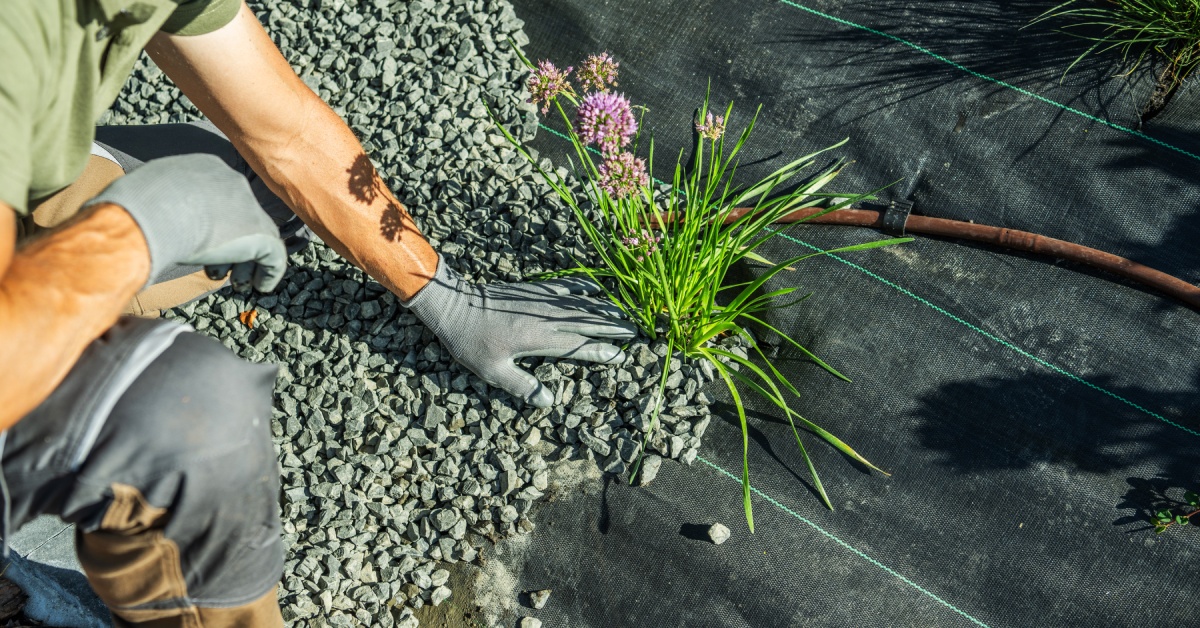
If you choose large cobbles (four inches or larger), you must place a high-quality weed barrier fabric underneath. Without it, sunlight hits the soil between the stones, and weeds will emerge. Smaller crushed rock creates a denser mat that naturally inhibits growth better than large boulders.
Consider Drainage and Moisture Requirements
Wood mulch absorbs water. Stone lets it pass through. This distinction matters for your irrigation strategy. If you have xeriscape plants that hate wet feet, rock is the superior choice. It allows water to percolate immediately into the ground without holding a soggy layer against the plant base.
Choose larger river rocks for areas with poor drainage. The gaps between the stones act as a dry creek bed, directing water away from your foundation or pooling areas. Avoid using “fines” or stone dust in drainage areas, as these pack down and create an impermeable layer that creates puddles.
Match the Aesthetic to Your Home Architecture
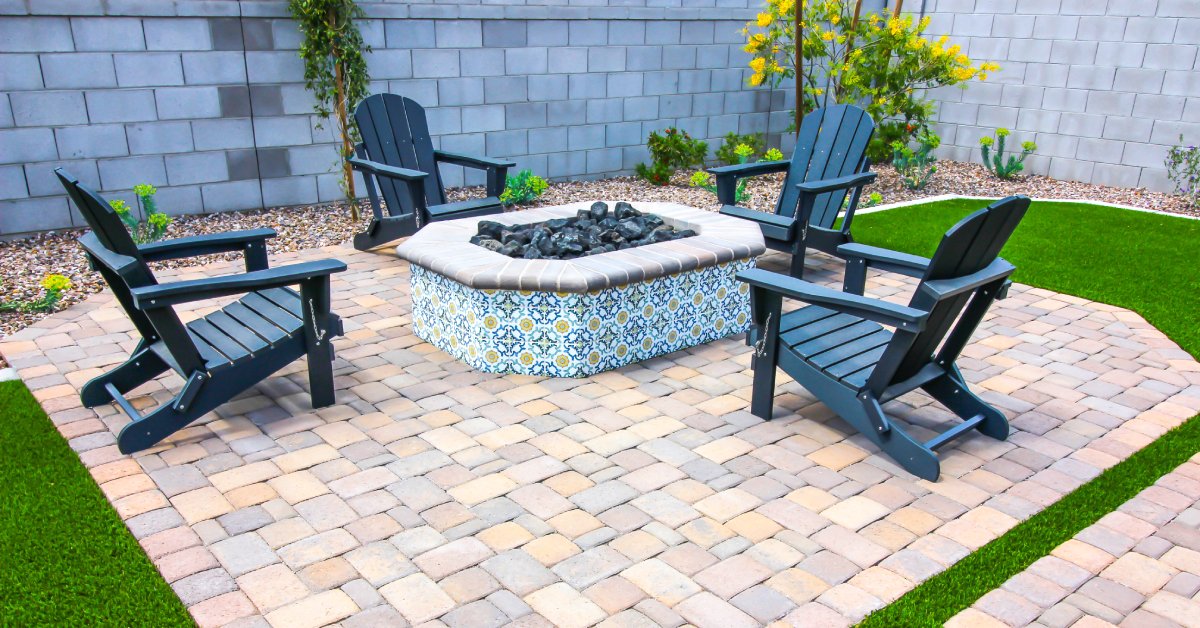
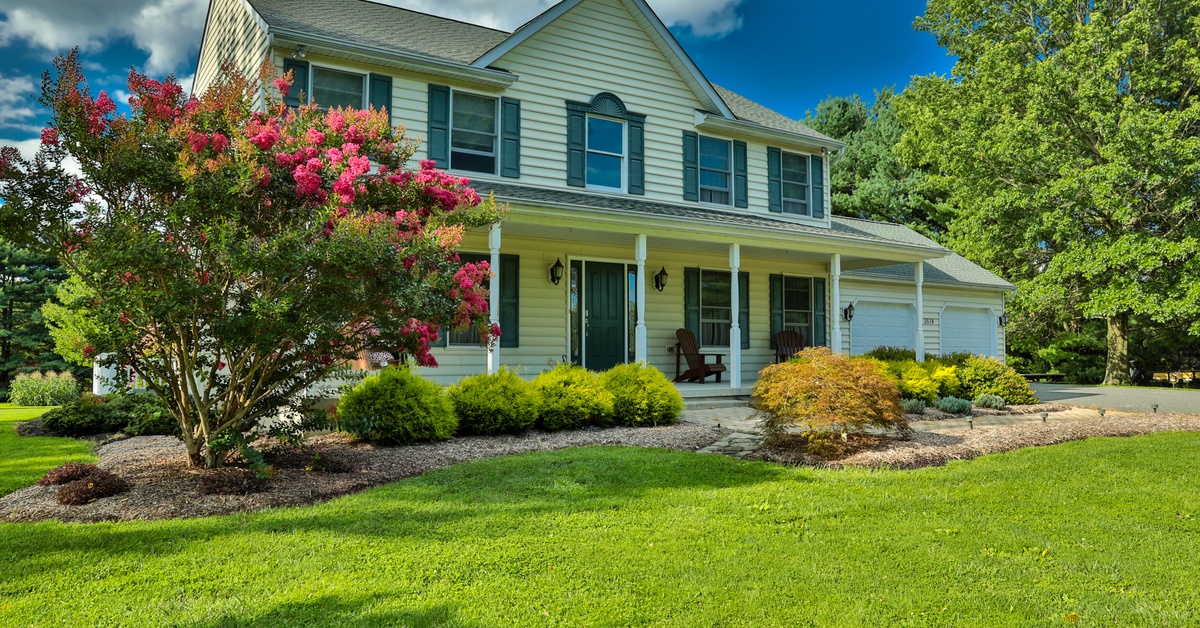
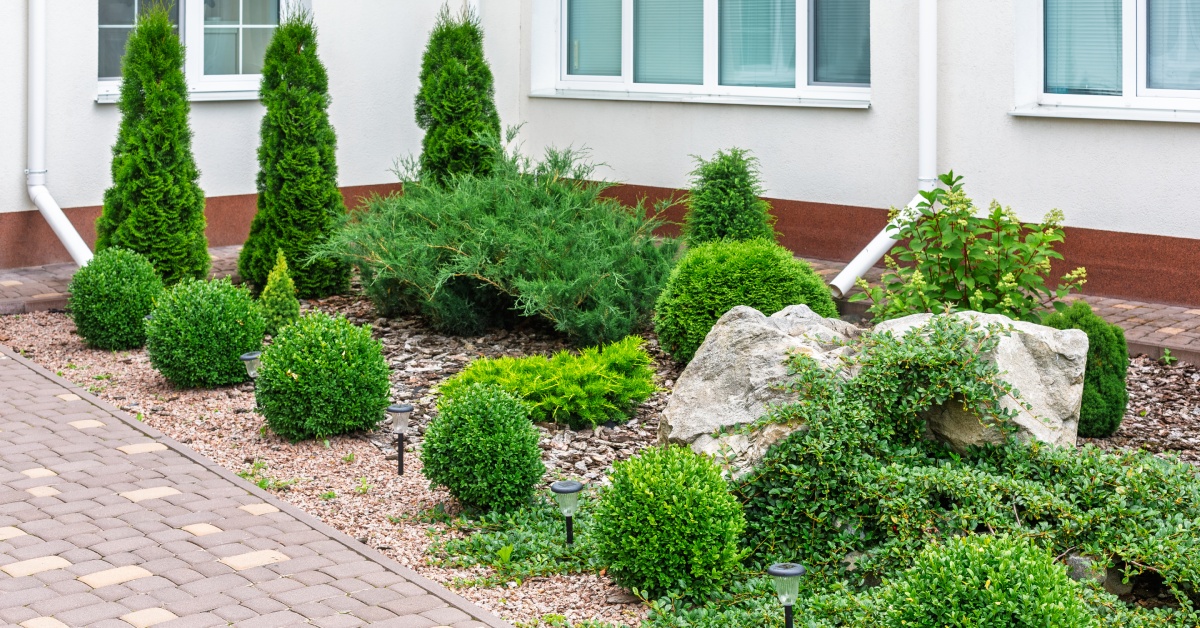
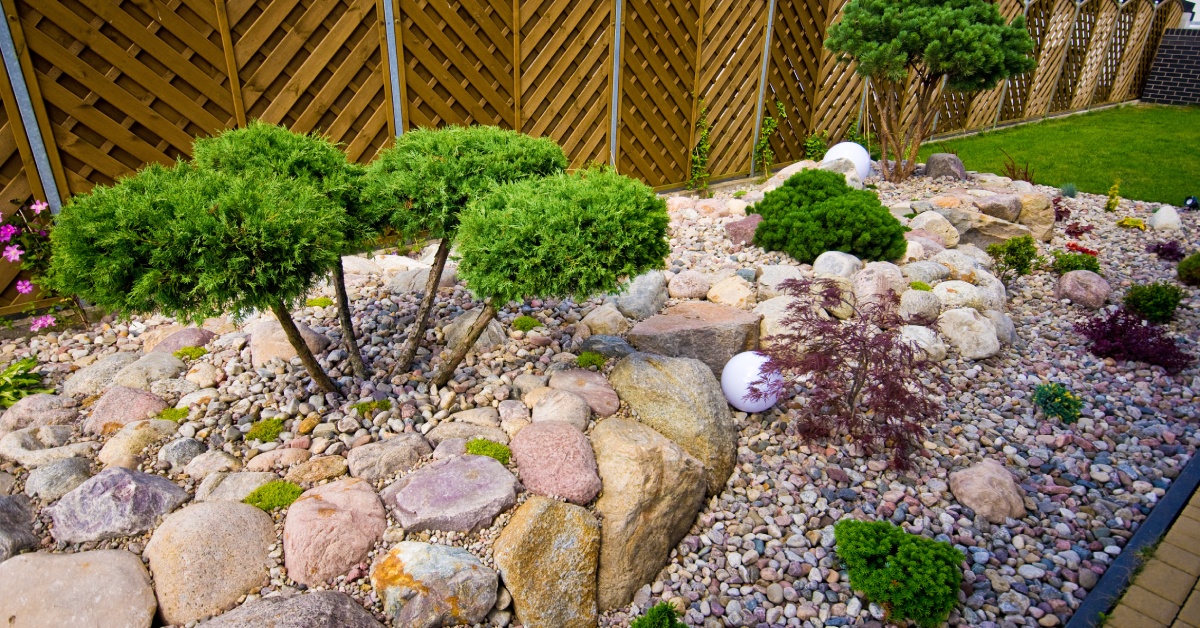
Mulch generally looks rustic and informal. Stone offers a wider range of architectural styles. A mid-century modern home in the foothills looks sharp with clean, grey crushed gravel or black Mexican beach pebbles. A craftsman bungalow in the North End might benefit from the warm, earthy tones of tan river rock or multi-colored pea gravel.
Don’t look at the rock in isolation. Hold a sample against your home’s siding and brick. The rock should complement your exterior paint, not clash with it. The goal involves creating a cohesive visual flow from the house to the yard.
Assess Maintenance Needs Realistically
While we call this low maintenance, no landscape is no maintenance. Organic debris like leaves, pine needles, and grass clippings will blow onto your rocks. If you leave them, they decompose into soil between the stones, creating a seedbed for weeds. You need a plan to keep the rocks clean.
- Leaf Blower: Your best friend for rock landscapes. Use it to blow debris off the top.
- Vacuum: Some garden vacs can pull leaves out of heavy rock without sucking up the stones.
- Herbicide: Occasional spot spraying keeps pristine gravel looking sharp.
Smooth river rock is generally easier to clean with a blower than rough crushed rock, as the debris doesn’t get snagged on jagged edges.
Make the Final Decision
Choosing landscape rock instead of mulch transforms your yard from a seasonal chore into a permanent asset. You stop feeding the cycle of decomposition and start building a hardscape that looks professional year-round. By analyzing the sun exposure, water needs, and foot traffic of your specific yard, you make sure the stone you buy today remains the stone you love ten years from now.
Take your time, get samples from Victory Greens Stone, and choose a material that stands up to the Idaho elements. Your back will thank you next spring. Visit our garden center today to begin your rock or stone selection process.