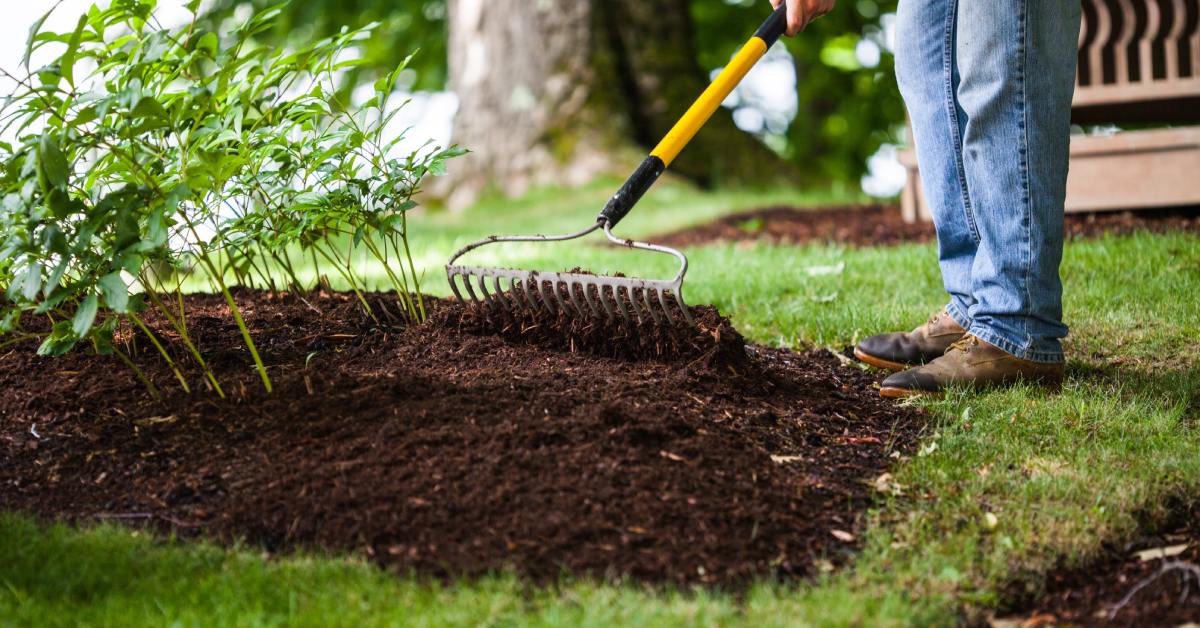
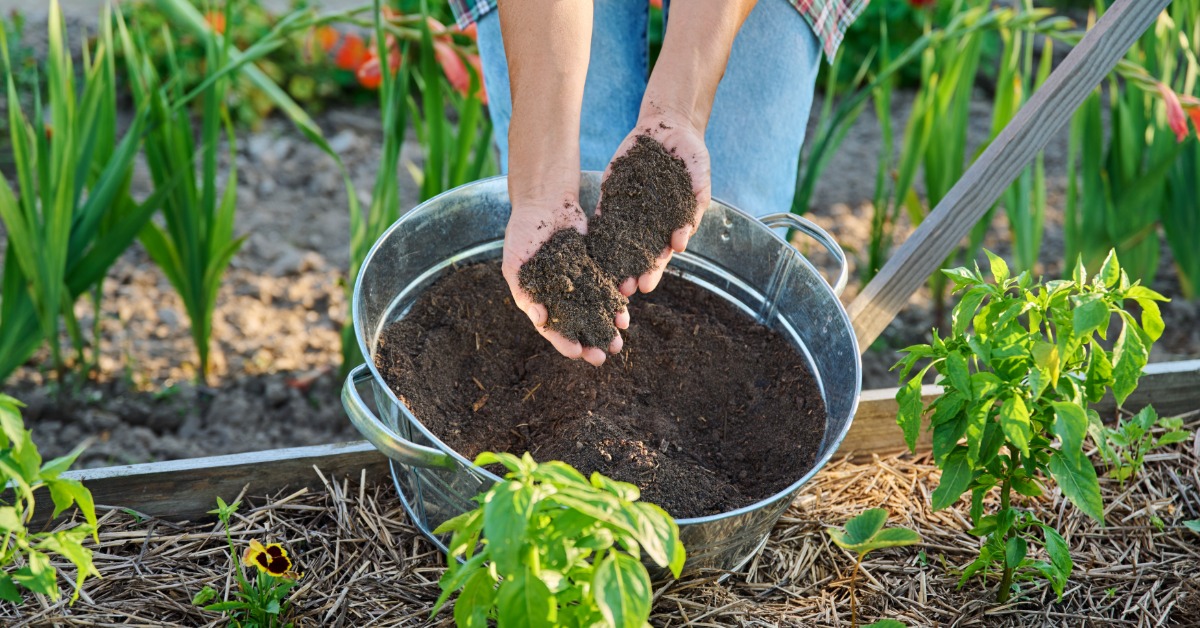
If you care about your lawn, garden, or landscape, you have likely faced the same question many Treasure Valley homeowners ask every season: should I use compost or chemical fertilizer? Both promise growth and greener results, but only one supports long-term soil health, sustainability, and real plant resilience.
At Victory Greens Stone and Garden Center, we talk with homeowners and contractors every day who want healthier soil, stronger plants, and fewer long-term problems. Compost consistently delivers those results when used correctly. Unlike chemical fertilizers, compost works with the soil instead of forcing short-term growth that fades fast.
Below, we break down the most important reasons for using compost instead of chemical fertilizers, especially for Idaho’s unique climate and soil conditions.
Compost Builds Living Soil, Not Just Faster Growth
Healthy soil needs more than nitrogen, phosphorus, and potassium. Soil thrives when it supports microbial life, organic matter, and proper structure. Compost feeds all three.
Chemical fertilizers push plants to grow quickly, but they leave soil biology behind. Over time, that approach creates compacted, depleted soil that struggles to support roots. Compost rebuilds soil from the ground up by introducing organic matter that improves structure and airflow.
When soil stays alive and balanced, roots grow deeper and stronger. That strength shows up in healthier lawns, more resilient gardens, and plants that tolerate heat and drought better.
Compost Improves Water Retention in Idaho’s Dry Climate
Water matters in the Treasure Valley, especially during hot summers and dry stretches. Compost helps soil hold moisture without becoming soggy or compacted.
Organic matter acts like a sponge. It absorbs water and releases it slowly to plant roots. Chemical fertilizers do nothing to improve this process and often make it worse by degrading soil structure over time.
Better water retention means:
- Less frequent watering
- Reduced runoff
- Lower water bills
- Healthier roots during heat stress
For homeowners and landscapers alike, compost offers a practical solution to water efficiency without sacrificing results.
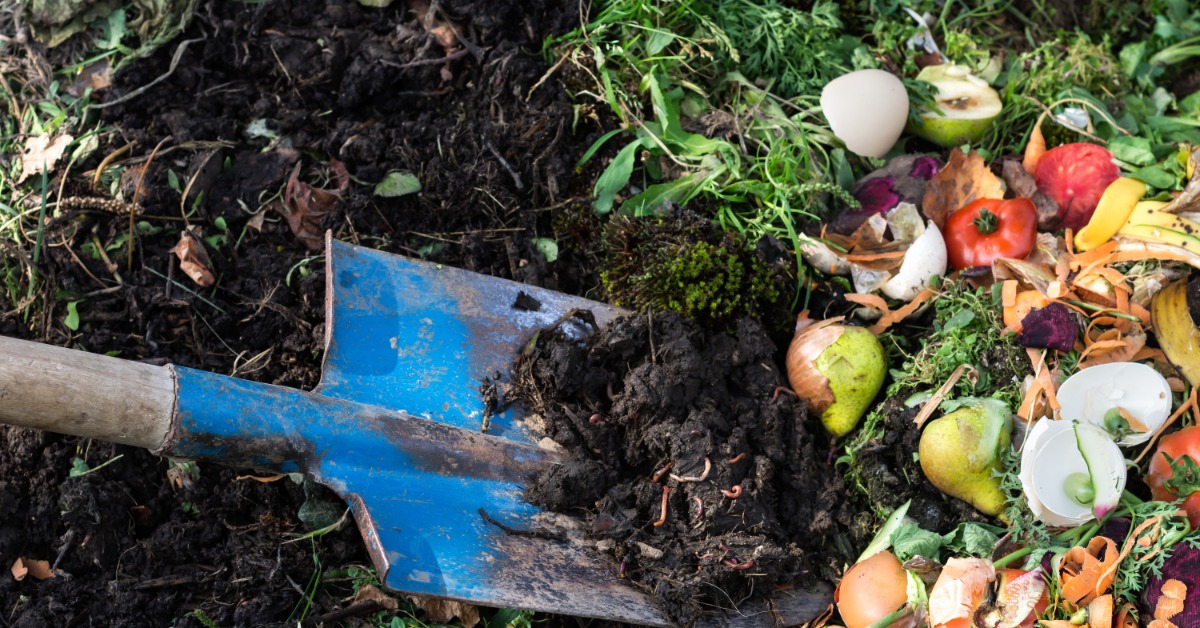
Compost Reduces the Risk of Plant Burn and Stress
Chemical fertilizers deliver nutrients fast, sometimes too fast. High salt levels and concentrated nutrients can burn roots, stress plants, and create uneven growth.
Compost releases nutrients gradually. Plants take what they need when they need it. That steady availability prevents shock and promotes consistent, balanced growth throughout the season.
This slow-release effect matters for lawns, garden beds, trees, and landscape plants. Compost supports natural growth cycles instead of forcing rapid spikes that weaken plants long-term.
Compost Supports Stronger Root Systems
Roots determine plant health. Shallow, stressed roots lead to weak plants that struggle under heat, wind, and drought.
Compost improves soil texture and depth, allowing roots to expand freely. With better access to air, water, and nutrients, roots grow deeper and stronger.
Chemical fertilizers often encourage shallow root growth because nutrients sit near the surface. Compost encourages roots to explore deeper soil layers, which improves stability and nutrient uptake.
Stronger roots often lead to:
- Improved drought tolerance
- Better nutrient absorption
- Longer-lasting plant health
Compost Improves Soil Structure and Prevents Compaction
Many lawns and landscapes in the Boise area suffer from compacted soil. Foot traffic, equipment, and clay-heavy soils restrict airflow and water movement.
Compost loosens compacted soil and improves aggregation. That structure allows air and water to move freely while supporting root growth.
Chemical fertilizers cannot correct compaction. In fact, repeated applications often worsen it by stripping organic matter over time. With compost, soil stays workable, drains properly, and supports long-term planting success.
Compost Encourages Beneficial Microorganisms
Healthy soil depends on bacteria, fungi, and microorganisms that break down organic material and deliver nutrients to plants. Compost feeds this underground ecosystem.
These organisms:
- Convert nutrients into plant-available forms
- Improve soil structure naturally
- Help suppress certain soil-borne diseases
Chemical fertilizers bypass these systems entirely. Over time, they reduce microbial diversity and weaken soil health. By choosing compost, you encourage a self-sustaining soil environment that improves with every application.
Compost Delivers Long-Term Results, Not Short-Term Fixes
Chemical fertilizers often look impressive at first. Lawns green up fast, and plants push new growth quickly. Then results fade, and soil quality declines.
Compost works differently. It builds cumulative improvements season after season. Each application adds organic matter, improves structure, and strengthens soil biology.
That long-term impact reduces the need for frequent input and constant corrections. Landscapes become easier to maintain, more resilient, and more predictable. This long-view approach saves time, money, and frustration.
Compost Aligns With Sustainable Landscaping Practices
More homeowners and contractors now prioritize sustainable landscaping. Compost fits that goal naturally.
Using compost can also:
- Reduce nutrient runoff into waterways
- Lower dependency on synthetic inputs
- Support healthier ecosystems
When applied correctly, compost protects surrounding soil and water while improving landscape performance. That balance matters in growing communities across the Treasure Valley. Many local professionals rely on compost in Boise, Idaho, because it performs consistently while supporting responsible land care.
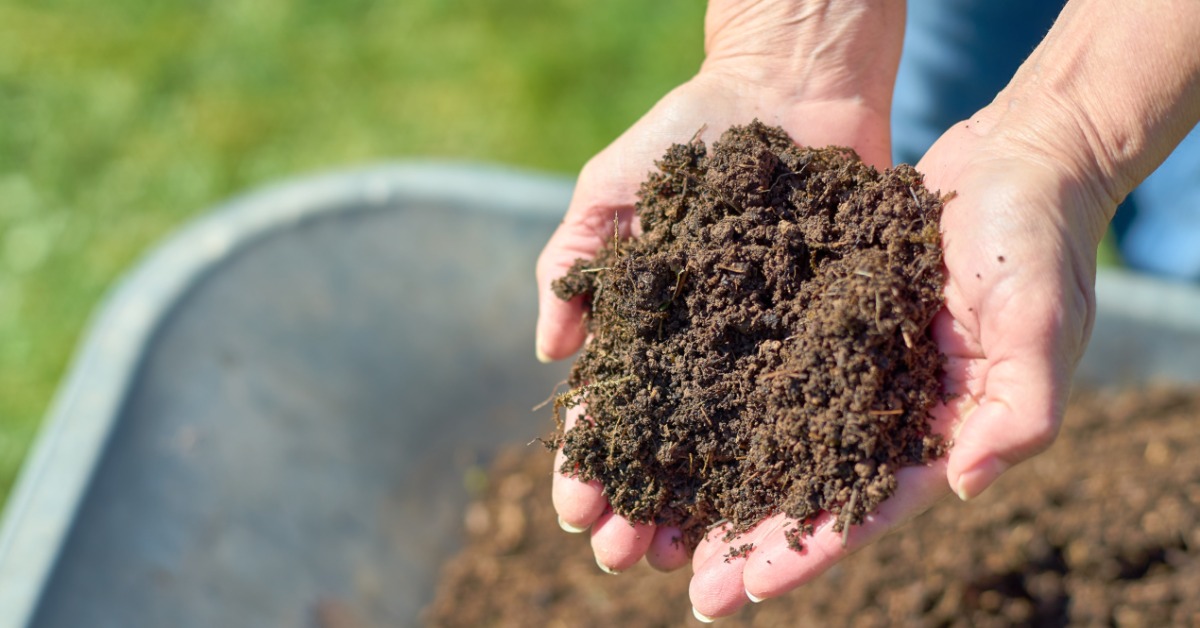
Compost Works Across Lawns, Gardens, and Landscapes
Compost offers flexibility that chemical fertilizers cannot match. You can use it for lawns, garden beds, trees, and landscape installations.
It improves soil before planting, revitalizes tired lawns, and supports ongoing maintenance. Contractors appreciate its adaptability, and homeowners appreciate the visible improvement over time.
Victory Greens Stone and Garden Center supplies quality compost that supports both residential and commercial projects across Ada and Canyon County.
Victory Greens Stone Is the Compost Resource You Can Trust
Choosing compost matters, but choosing the right supplier matters just as much. Victory Greens Stone and Garden Center brings decades of experience serving the Treasure Valley.
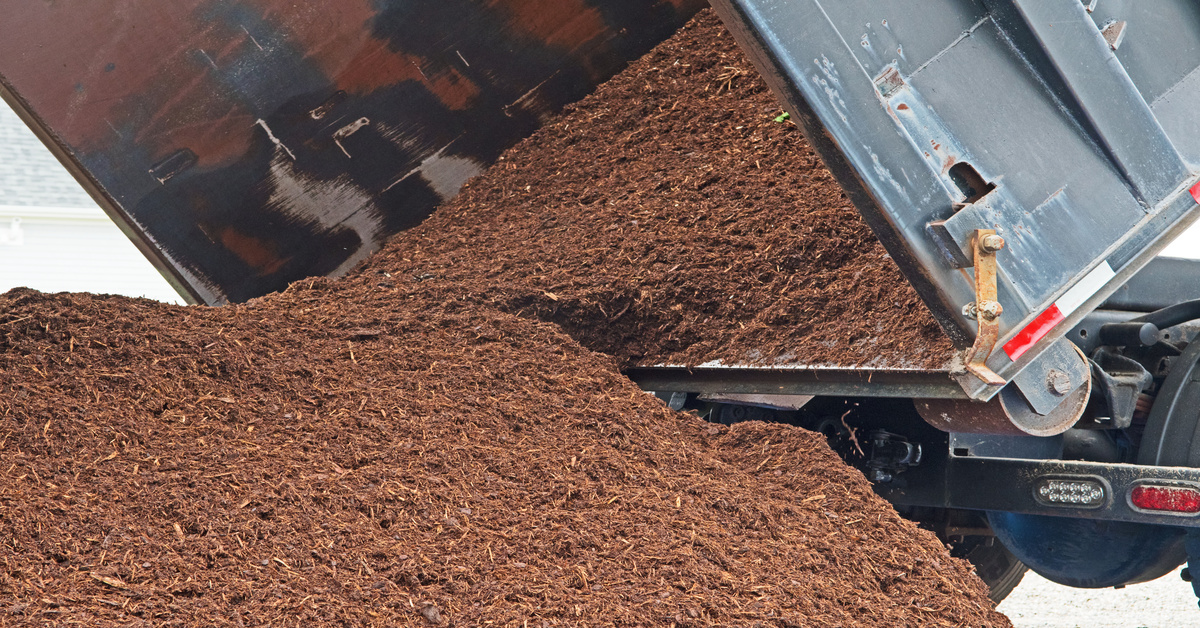
As a family-owned business, we understand local soil conditions, climate challenges, and project needs. Our bulk material delivery helps homeowners and contractors complete projects efficiently without cutting corners. When you invest in compost, you invest in soil health that truly lasts. We can make that investment work harder for you.
A Note From Our Team
Chemical fertilizers chase quick results. Compost builds real results. Healthy soil supports healthier plants, stronger roots, better water efficiency, and fewer long-term issues. Compost delivers those benefits naturally while improving soil year after year. If you want landscapes that last, compost remains the smarter choice. Partner with one of our trusted team members to get started on a bulk compost delivery for your property.