

Choosing the right ground cover for your landscape feels like a big decision. You want something that looks great, cuts down on maintenance, and benefits your garden. Two of the most popular choices are bark and rock, but they offer very different advantages and have their own unique challenges. We’re comparing the two so that you can fully understand your low-maintenance ground cover options, whether it’s bark or rock.
Which Ground Cover Lasts Longer?
Rock is the clear winner in terms of longevity. Decorative rocks, gravel, and pebbles are permanent additions to your landscape. Once you’ve laid them down, you won’t need to replace them. They stand up to sun, rain, and snow without breaking down. While they may need an occasional rinse to remove dust and debris, rocks themselves are a one-time investment.
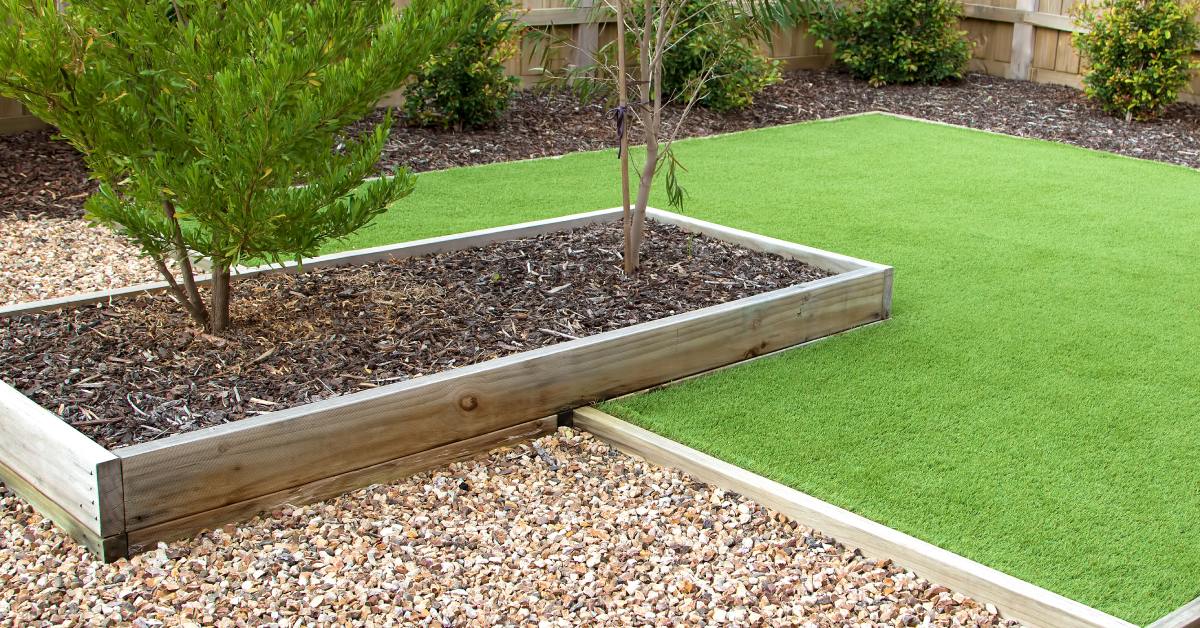
In comparison, bark is an organic material that decomposes over time. This is actually one of its greatest benefits, as it enriches the soil with nutrients. However, it also means you will need to replenish your bark mulch every one to three years to maintain its depth and appearance. Lighter mulches like shredded bark break down faster than larger nuggets.
Which Is Better for Weed Control?
Rock provides a heavy, impenetrable layer that makes it difficult for weeds to push through. If any determined weeds do manage to find a gap, they are often easy to spot and pull against the backdrop of the stones.
Bark mulch also smothers weeds by blocking sunlight. A layer of three to four inches is usually enough to keep most common weeds at bay. As the bark decomposes, it can also create a less hospitable environment for some types of weed seeds to germinate.
Does Bark or Rock Attract More Pests?
Organic materials like bark sometimes provides a welcoming environment for certain insects, such as termites, earwigs, and ants. They are drawn to the moisture and shelter that a thick layer of mulch provides. However, this is not always a major issue, especially if you keep mulch away from your home’s foundation. Some types of bark, like cedar, contain natural oils that can actually repel certain pests.
Rock is inorganic and offers little to attract pests. It doesn’t provide food or a nesting habitat, making it a less inviting option for insects. If pests are a major concern for you, rock might be the more trouble-free choice.
Which Provides Better Soil Health?
Bark mulch is a fantastic soil conditioner. As it decomposes, it releases valuable organic matter and nutrients into the soil. This process improves soil structure, promotes beneficial microbial activity, and creates a healthier growing environment for your plants. Over time, using bark mulch can turn poor soil into a rich, fertile foundation for your garden.
Rock does not contribute to soil health. It is inert and adds no organic matter or nutrients. While it can work well as a decorative feature, it won’t do anything to improve the quality of the soil underneath. For areas where you plan to grow a lot of plants, bark is the more beneficial option.
Which Option Is Easier To Install?
Both materials require similar preparation, including clearing the area of weeds and laying down landscape fabric. However, the physical effort involved in the installation can differ significantly.
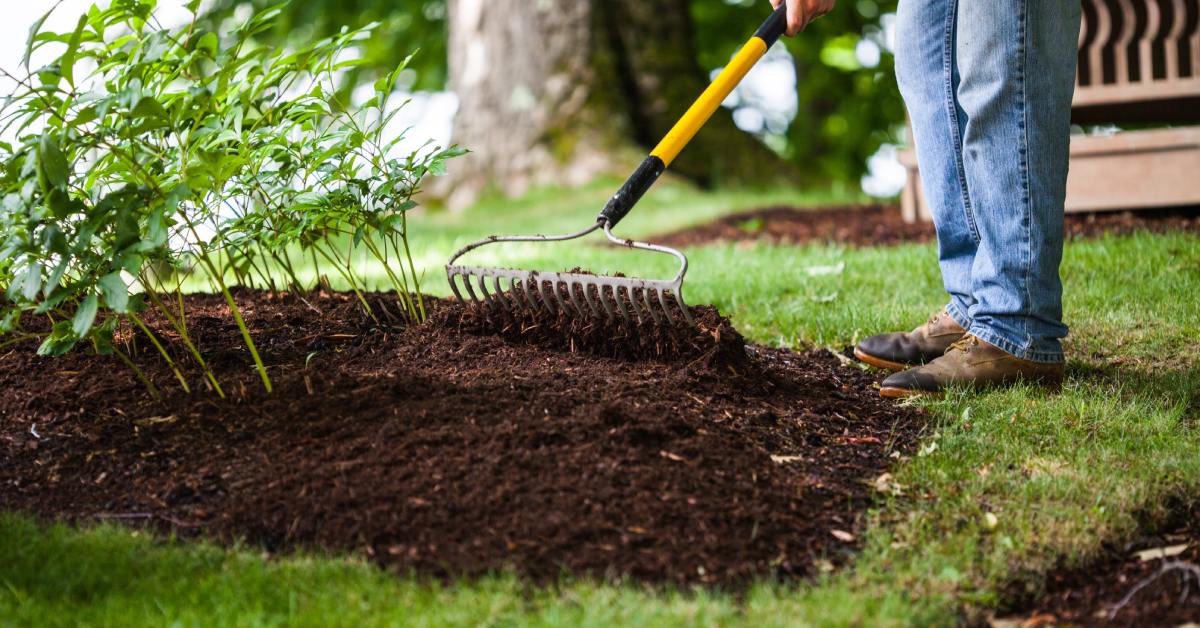
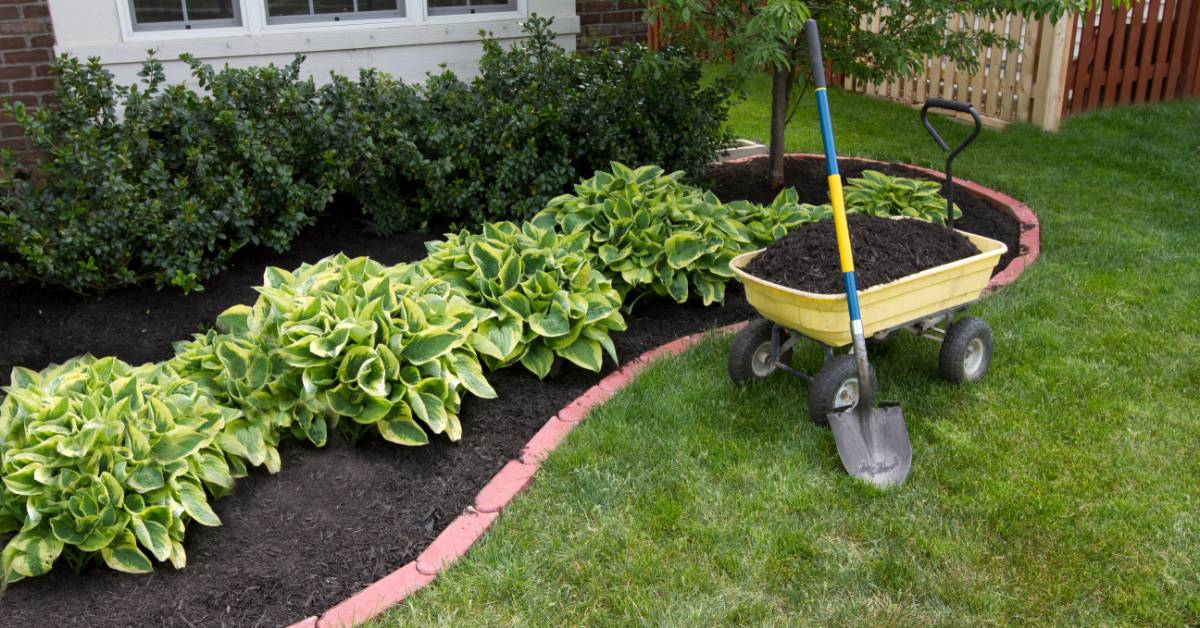
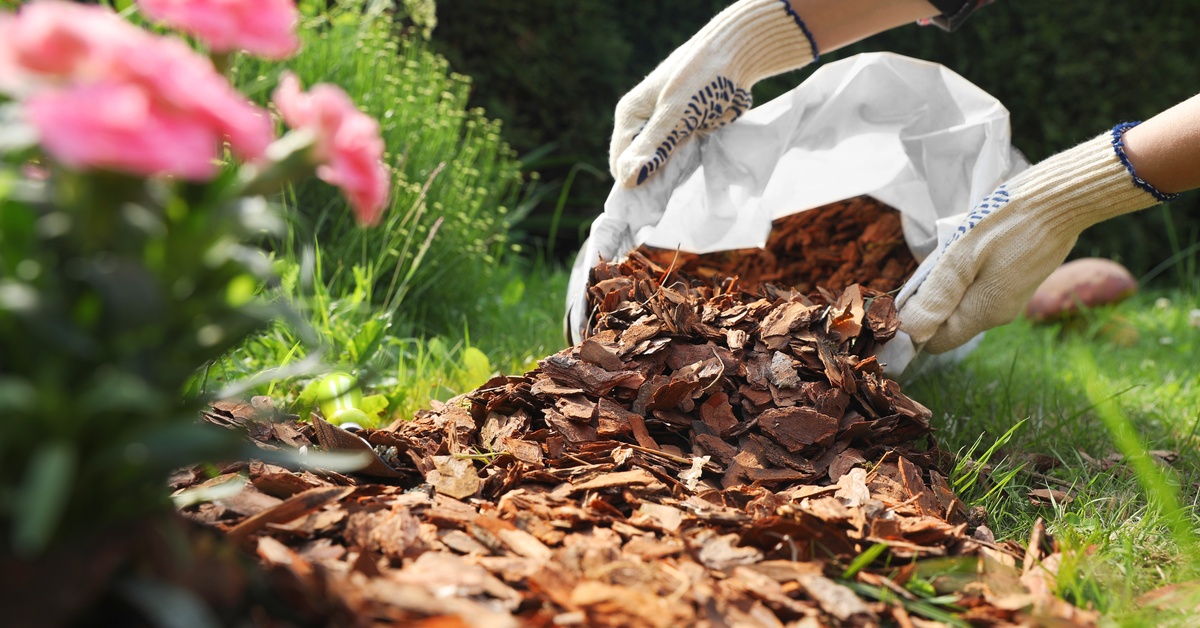
Bark is lightweight and relatively easy to move and spread. You can transport it with a wheelbarrow and spread it with a rake or by hand. It’s a project that many homeowners can tackle themselves over a weekend.
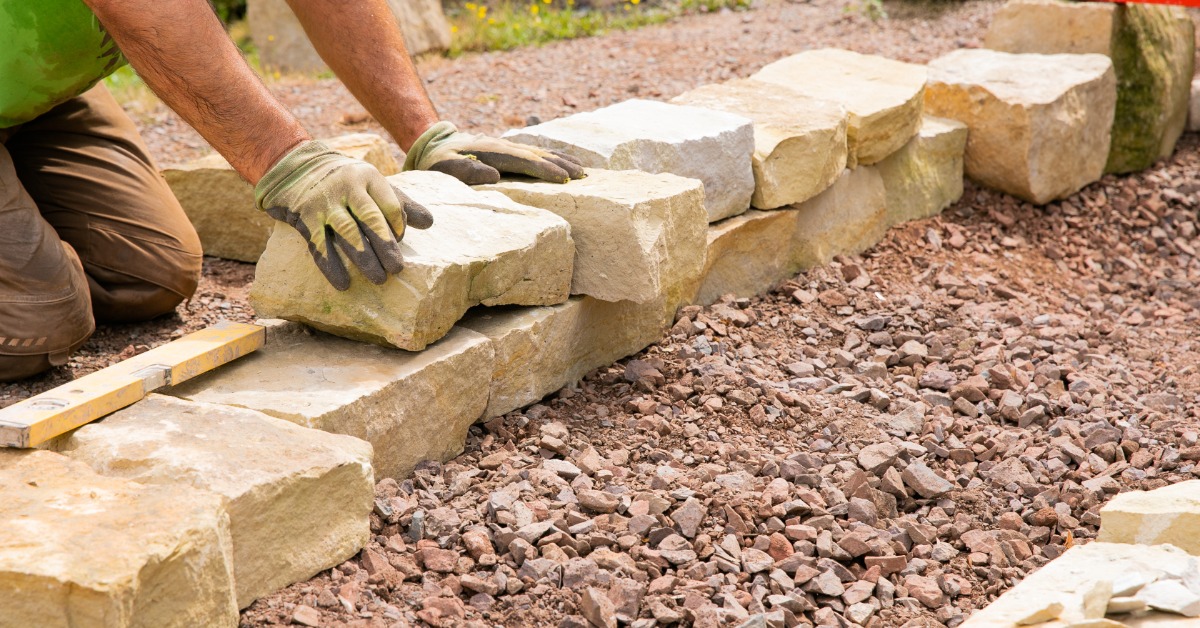
Rock, especially larger decorative stones, is much heavier. Moving large quantities of rock is physically demanding and may require specialized equipment. While smaller gravel is easier to manage, the sheer weight can still make installation a challenging job.
Which Is More Cost-Effective?
The initial cost of bark mulch is generally lower than the cost of decorative rock. Since you can often transport and install it yourself, you can also save on labor costs. If you’re looking for bulk bark and mulch in Boise, Idaho, you can often find affordable options to cover a large area.
However, it’s important to consider the long-term costs. Because you need to replenish bark every few years, the expense adds up over time. Rock has a higher upfront cost for both the material and potentially for professional installation, but it is a one-time purchase that lasts indefinitely. Over the course of a decade, rock may prove to be the more economical choice.
Does Rock or Bark Look Better?
Bark offers a natural, traditional look that complements lush, plant-filled gardens. It comes in various colors and textures, from reddish-brown shredded cedar to dark, chunky fir bark.
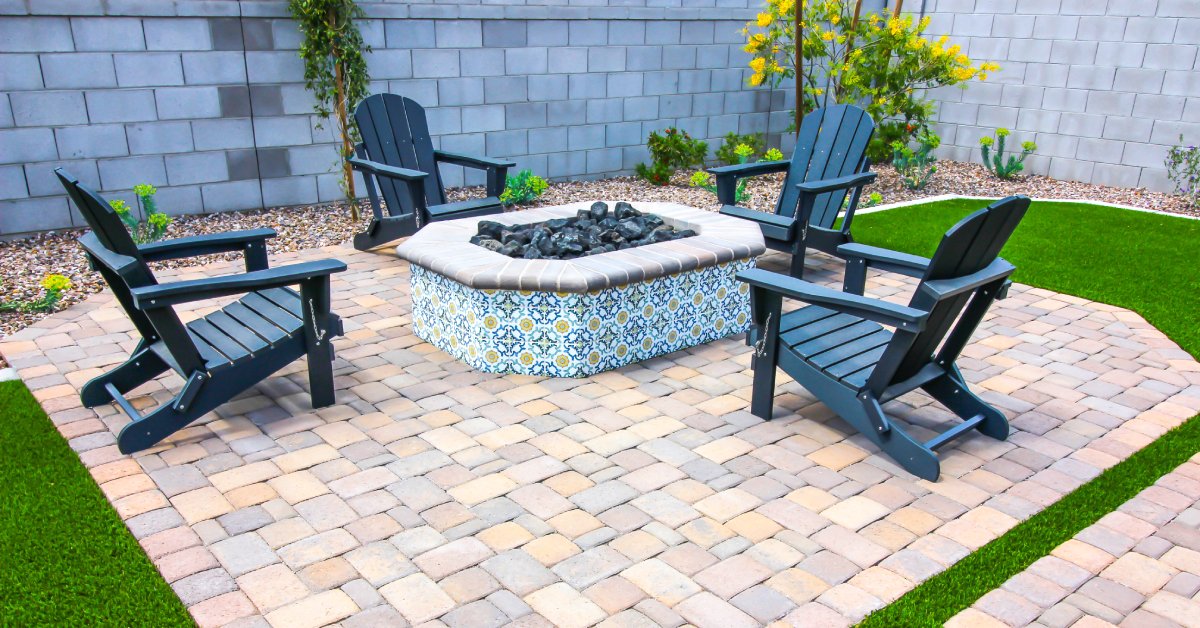
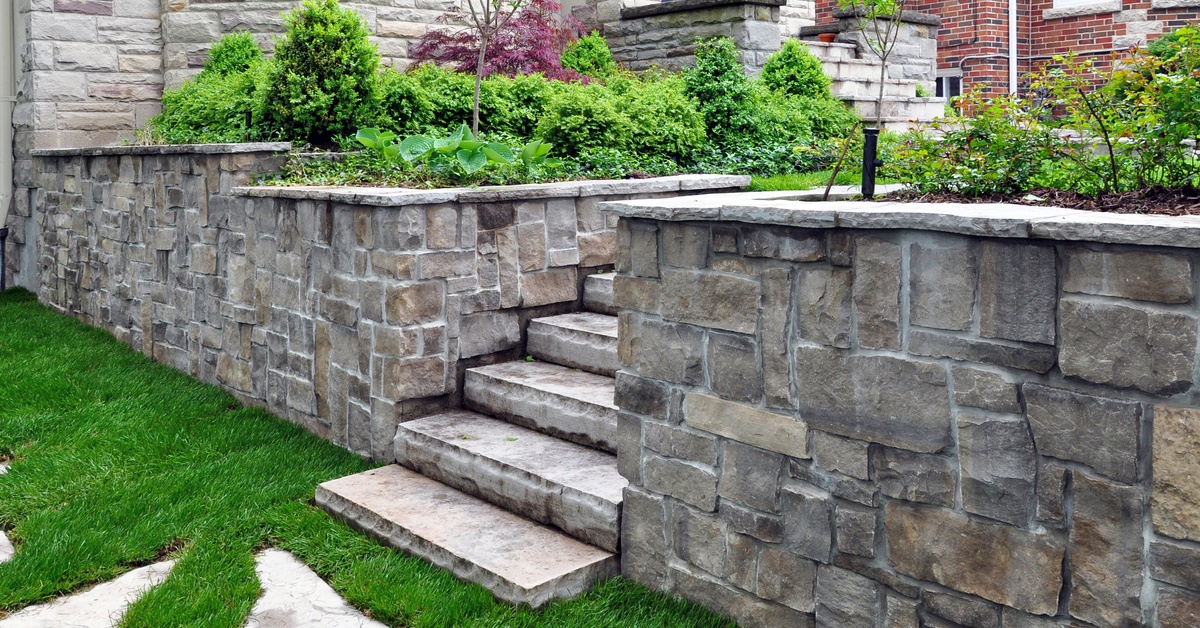
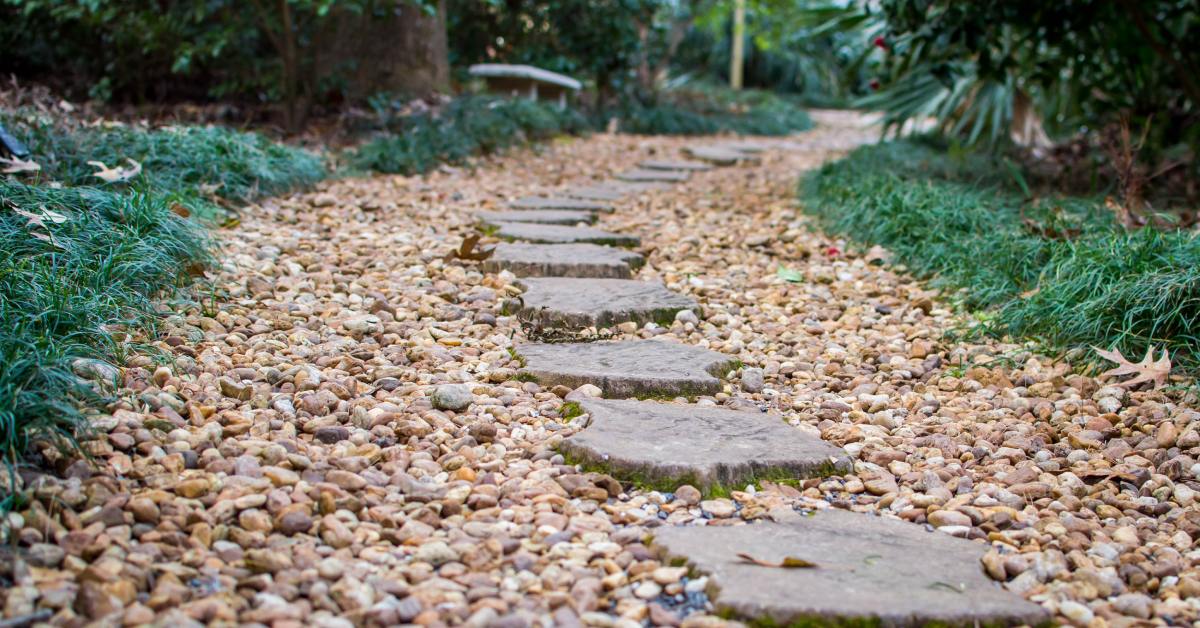
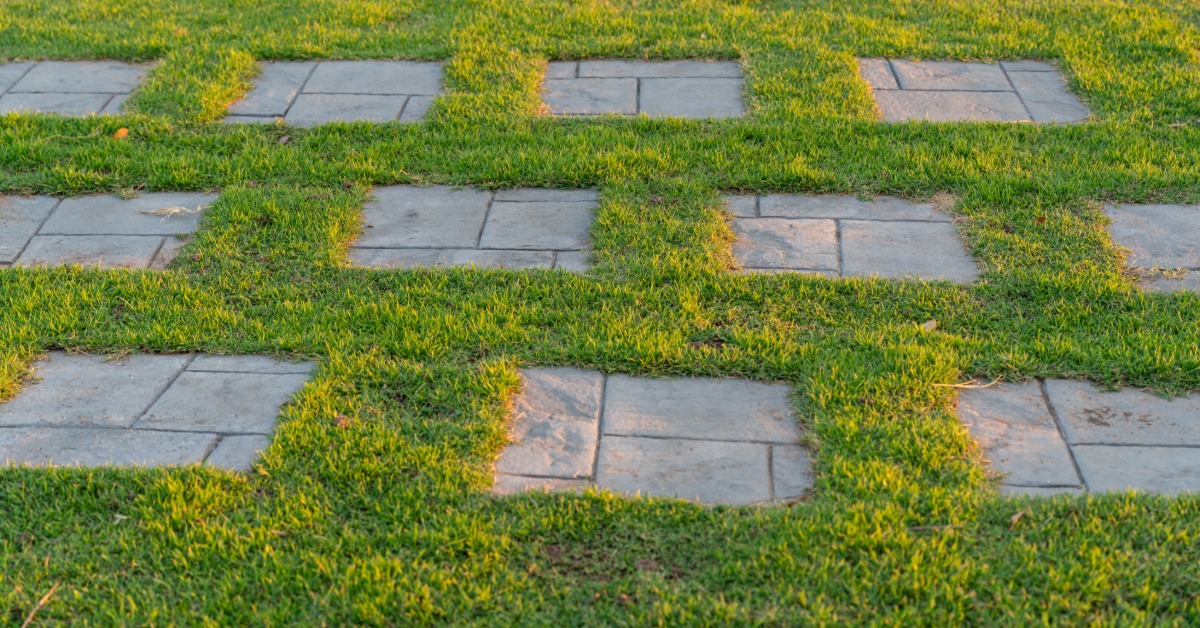
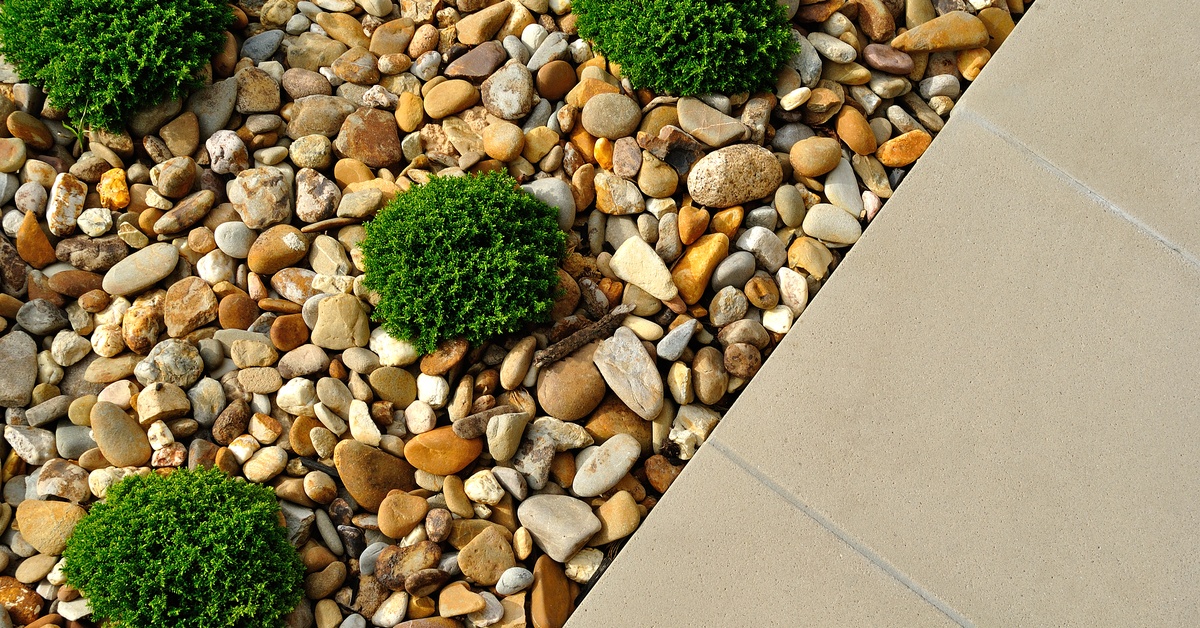
Rock provides a clean, modern, and structured appearance. It’s available in a vast array of colors, sizes, and shapes, allowing for more creative and permanent designs, such as dry riverbeds or sleek, minimalist garden beds.
Which Is Easier To Keep Clean?
Keeping your ground cover looking tidy is another important consideration. Bark is a bit more challenging to clean. Fallen leaves and debris can mix in with the mulch, and it can be difficult to separate them. A leaf blower on a low setting can help, but some manual cleanup is often necessary.
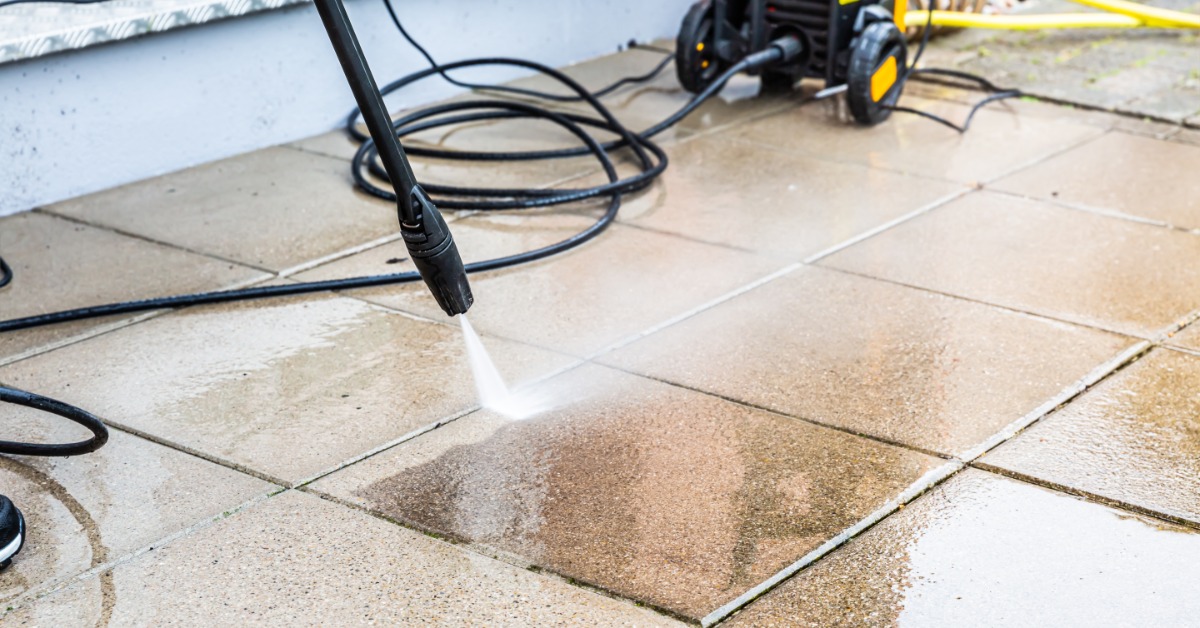
Rock surfaces are generally easier to clean. You can use a leaf blower to quickly remove leaves and other debris without disturbing the stones. An occasional rinse with a hose can wash away dust and keep the rocks looking fresh and vibrant.
Which Is a Better Fit for My Climate?
Your local climate can influence which ground cover is a better fit. In hot, dry climates, the heat absorbed by rocks is detrimental to many plants. Bark, with its excellent moisture retention, is often a better choice in these areas.
In cooler, wetter climates, a thick layer of bark can sometimes hold too much moisture, potentially leading to root rot or fungal diseases in certain plants. Rock allows for better drainage and air circulation, which can be beneficial in these conditions.
Make the Final Decision
When choosing between bark and rock, there is no one-size-fits-all answer. Rock is a durable, low-maintenance ground cover option that offers a clean aesthetic but does little to support plant health. Bark improves your soil and retains moisture but requires regular replacement. Let the team at Victory Greens Stone know your goals and we’ll steer you in the right direction given budget, needs, and space.