Living in Boise means appreciating the distinct beauty of our seasons, from those crisp, chilly winters to the intense heat of our high desert summers. If you’ve lived here long enough, you know our soil is a bit tricky—often heavy on clay and alkalinity—and our weather swings require tough landscaping solutions.
One of the simplest, yet most effective ways to protect your garden while boosting curb appeal is choosing the right mulch. Our garden center created this guide with several mulch ideas that complement Boise’s climate and aesthetic. You’ll find inspiration and tips perfect for your landscaping.
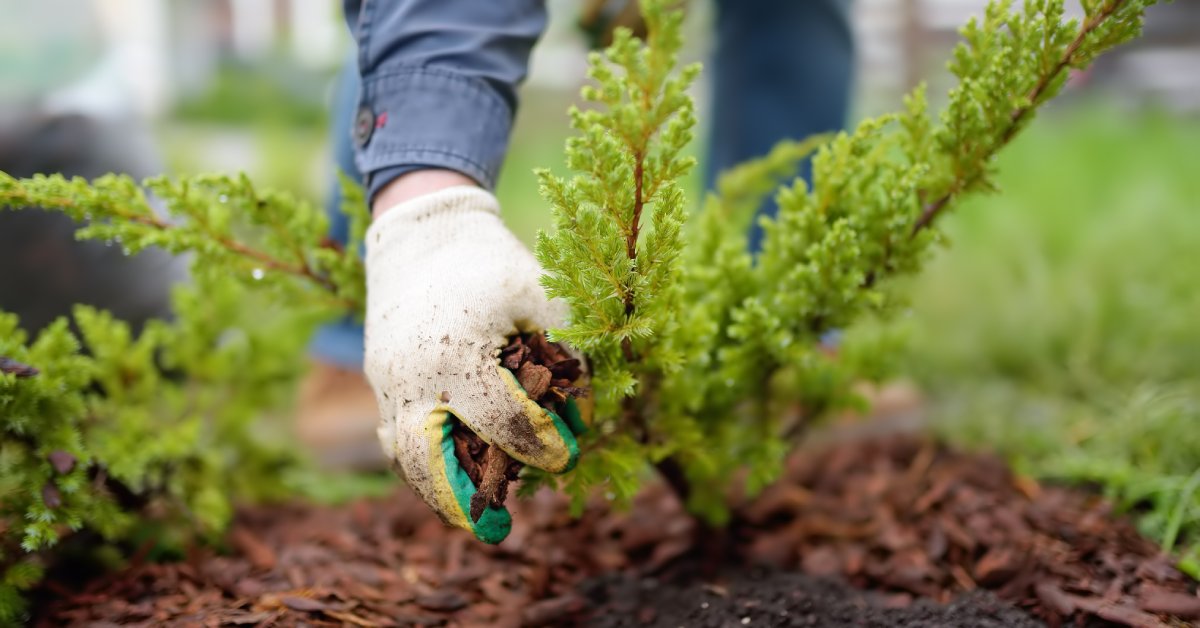
Shredded Bark Mulch Retains Moisture in High Heat
You will see shredded bark in countless Boise neighborhoods, and for good reason. It’s the workhorse of organic mulches. Because the pieces vary in size and shape, they knit together tightly. This matting effect does wonders for retaining soil moisture, which is critical when we hit those triple-digit temperatures in August.
Another huge benefit is stability. If you live on the bench or in the foothills where the terrain slopes, shredded bark tends to stay put better than nuggets or chips. It resists washing away during those sudden spring downpours we get. As it decomposes, it feeds the soil, improving that dense clay texture over time. It creates a natural, forest-floor look that fits perfectly with our native Sagebrush and Syringa.
Cedar Chips Repel Insects Naturally
Cedar is a favorite among local gardeners who want functionality mixed with a pleasant aroma. The natural oils in cedar act as a deterrent for certain pests, including termites and ants. If you are mulching close to your home’s foundation, cedar is often the safest organic bet.
Aesthetically, fresh cedar has a beautiful, golden-red hue that warms up the look of flower beds. While it will eventually fade to a soft gray (like a weathered fence), it takes longer to break down than softer woods. This means you won’t need to replenish it quite as often. Using bulk cedar mulch is also a cost-effective way to cover large areas, like playground zones or extensive pathways, where you need reliable coverage without breaking the bank.
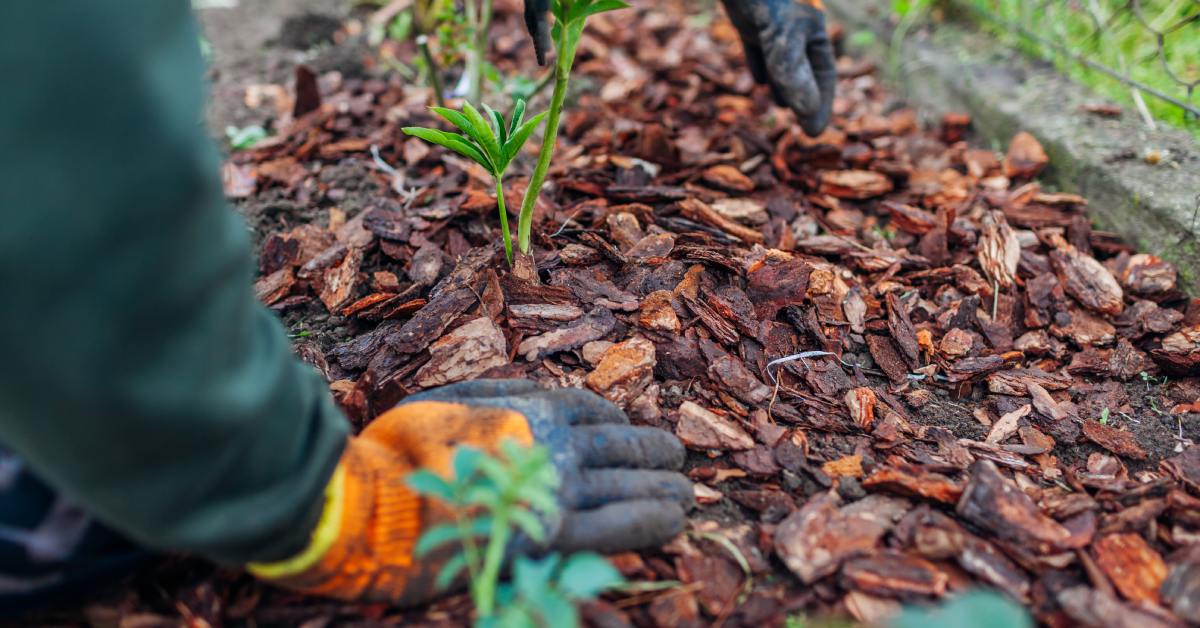
Pine Needles Enhance Acid-Loving Plants
We often call pine needles pine straw. While it might seem odd to use needles as mulch, they’re fantastic for specific areas of your garden. Boise soil tends to be alkaline, which makes it hard to grow acid-loving plants like hydrangeas, blueberries, or azaleas.
Pine needles slightly acidify the soil as they break down, helping these plants thrive in our environment. They are light and airy, which allows water to penetrate easily without compacting the soil. Plus, they have a lovely, fine texture that looks elegant around ornamental shrubs. If you have pine trees on your property, you have a free source of mulch right in your backyard. Just rake them up and redistribute them where needed.
River Rock Mimics the Local Landscape
Look around the Boise River Greenbelt, and you see river rock naturally defining the edges of the water. Bringing that aesthetic into your yard creates a seamless connection with our local geography. River rock comes in smooth, rounded shapes and various earth tones—grays, tans, and browns.
Rock mulch is a permanent solution. It doesn’t decompose, so you never have to top it off. It absorbs heat during the day and releases it at night, which can create a nice microclimate for heat-loving plants like lavender or ornamental grasses. However, be careful using it around delicate perennials that might scorch from the reflected heat. It pairs beautifully with drought-tolerant xeriscaping, which is becoming increasingly popular here to conserve water.
Pea Gravel Creates Clean Pathways
If you want a crunch under your boots and a tidy, English-garden feel, pea gravel is a strong contender. These small, rounded stones are incredibly versatile. We love suggesting them for walkways, patio areas, or dog runs because they drain water instantly. You won’t see puddles forming on a pea gravel path.
In terms of aesthetics, pea gravel offers a neutral backdrop that lets your plants take center stage. It works well in modern, minimalist landscapes or rustic cottage gardens. Just remember to install a good landscape fabric underneath and sturdy edging materials; otherwise, those little stones tend to migrate into your lawn.
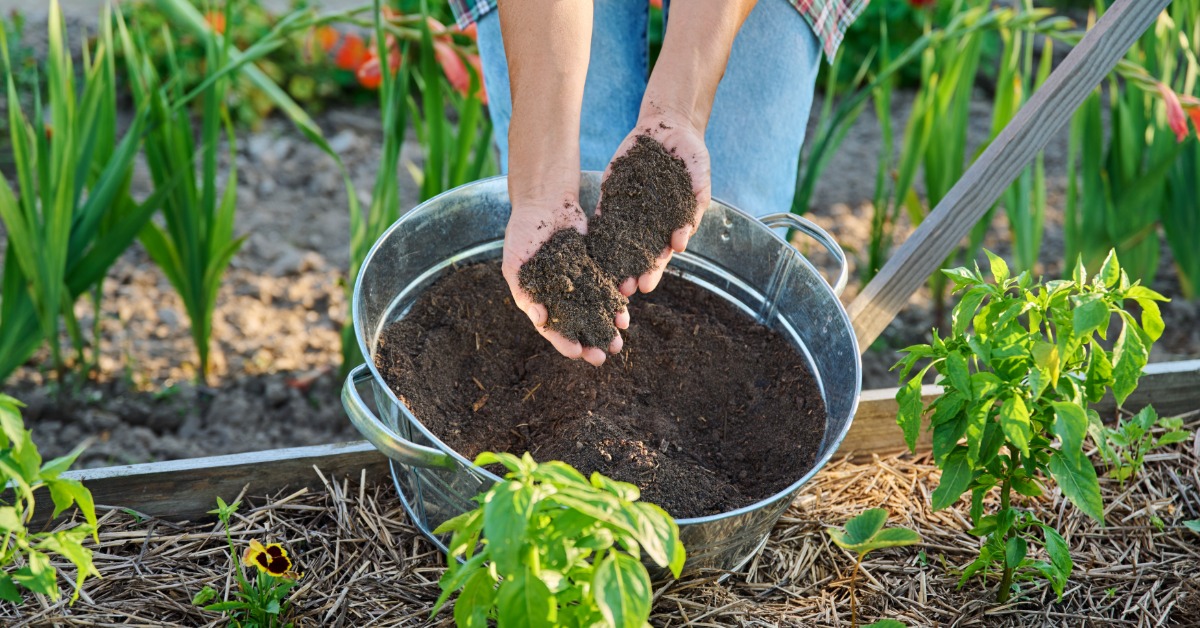
Dark Compost Enriches Poor Soil Quickly
Sometimes the best mulch isn’t about the decorative top layer look, but about pure plant health. In Boise, where our soil lacks organic matter, using a thick layer of high-quality, dark compost as mulch acts like a vitamin injection for your garden.
It looks like rich, dark earth, giving your beds a very clean, manicured appearance. Over a single season, it works its way down, loosening clay and encouraging earthworms.
A Note From the Pros:
We recommend this for vegetable gardens or annual flower beds where you do a lot of digging and replanting. It doesn’t suppress weeds as effectively as wood chips or rock, but it has a unmatched nutrient boost.
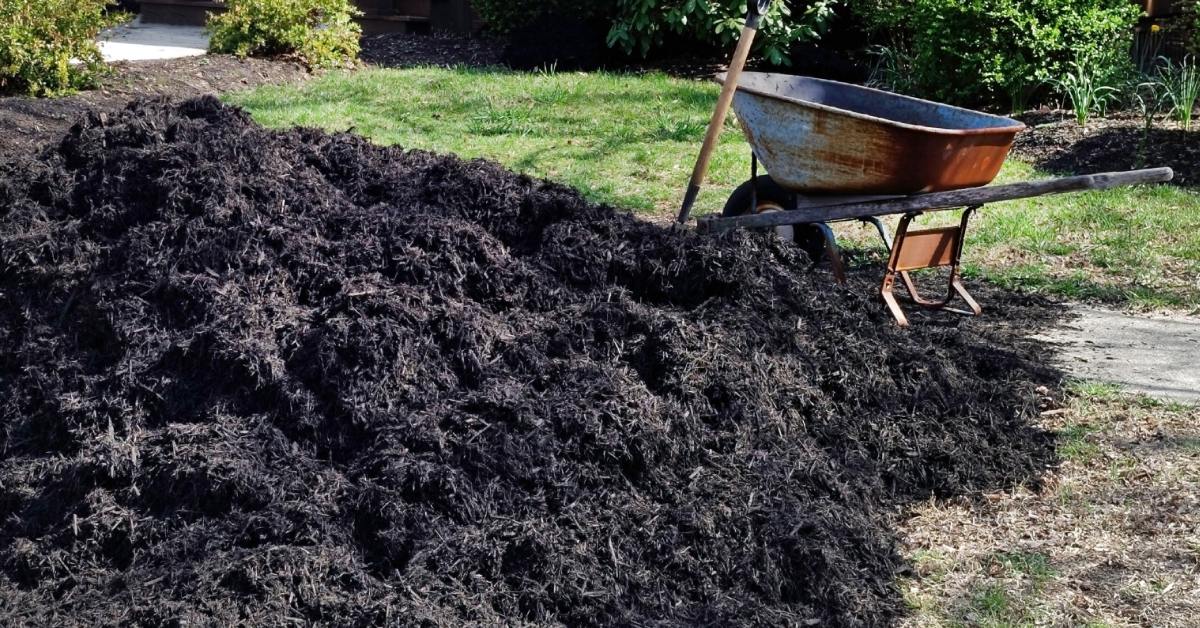
Colored Wood Mulch Adds Dramatic Contrast
If you want your landscape to turn heads, colored wood mulches are the way to go. Available typically in black, red, or dark brown, these are wood chips dyed with vegetable-based coloring safe for pets and plants.
Black mulch creates a stunning, modern contrast against green foliage and bright flowers. It makes the colors pop in a way natural bark doesn’t. The dark color also absorbs heat, warming the soil earlier in spring, which can wake your perennials up a bit faster. While the color eventually fades, high-quality varieties usually hold their vibrancy for a full year or more.
Lava Rock Offers Lightweight Durability
Given Idaho’s volcanic history, lava rock feels right at home in a Boise landscape. It’s incredibly lightweight, making it easier to haul and spread than river rock. Because it’s porous, it holds water within its crevices, providing moisture to nearby plants through evaporation.
Lava rock typically comes in red or black. The red variety gives a very distinct, Southwestern vibe that pairs well with succulents and yucca. The rough texture deters slugs and snails, who hate crossing the sharp surface. Since it doesn’t break down, it’s a one and done investment for areas where you don’t plan to dig often.
With a little inspiration and a few reliable mulch ideas, you’re ready to upgrade your landscaping to perfectly suit Boise’s climate and aesthetic. Head over to Victory Greens Stone and Garden Center for full support.